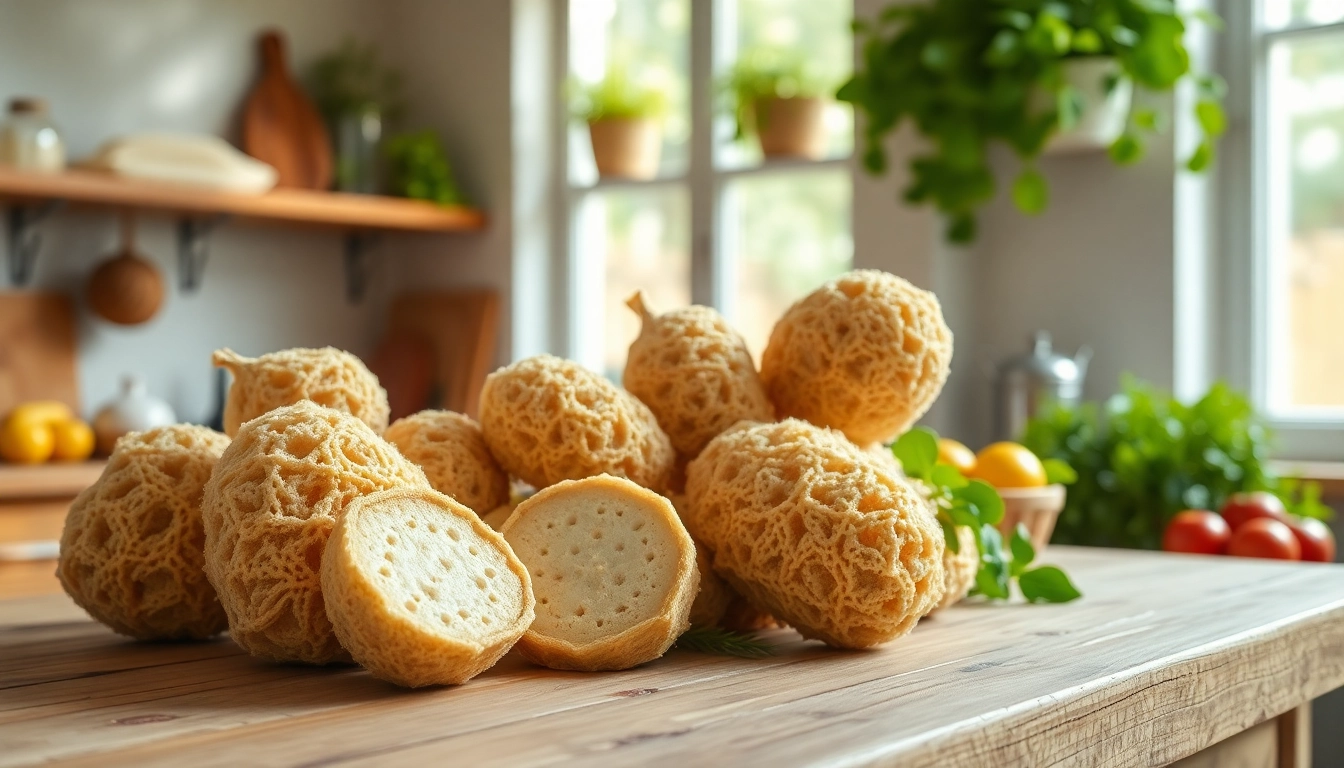
Introduction to Kitchen Loofah Benefits
As we continue to search for healthier alternatives to our everyday cleaning products, the kitchen loofah has emerged as a popular choice. These natural cleaning tools not only enhance cleanliness but also contribute to a more sustainable lifestyle. Understanding the kitchen loofah benefits can significantly improve not just your cleaning regimen, but also your overall health and wellness.
What is a Kitchen Loofah?
The kitchen loofah, often referred to as luffa or loofa, is a popular sponge-like scrubber made from the fibrous inside of the loofah gourd (Luffa aegyptiaca or Luffa cylindrica). Unlike synthetic sponges, which can harbor bacteria and degrade over time, loofahs are biodegradable and can be composted after use. Their unique structure provides an excellent scrubbing surface, making them ideal for various kitchen tasks.
Origin and Types of Loofahs
Originally from Asia, the loofah gourd has been cultivated for centuries for both culinary and medicinal purposes. As it spread worldwide, different varieties of loofahs developed, each with varying textures and uses. For kitchen cleaning, the most commonly used type is the fully ripened loofah, which is harvested, cleaned, and dried to create the exfoliating sponge we recognize. Understanding these different varieties helps consumers choose the best one for their needs.
Why Choose Kitchen Loofahs?
Kitchen loofahs offer a unique blend of benefits that synthetic sponges cannot match. They are natural, eco-friendly, and versatile. Additionally, their fibrous texture provides superior scrubbing power without scratching surfaces. As many individuals become more health-conscious and environmentally aware, opting for kitchen loofahs is an excellent step toward a healthier lifestyle and a cleaner home.
The Health Benefits of Kitchen Loofahs
Natural Exfoliation Properties
The natural fibers in kitchen loofahs provide effective exfoliation, making them beneficial not only for dish cleaning but also for personal care. When used on skin, a loofah helps remove dead skin cells, revealing fresh, glowy skin underneath. This method of exfoliation also promotes better blood circulation while being gentler than many harsh, commercial exfoliators.
Antimicrobial Benefits for Food Safety
One of the most significant benefits of kitchen loofahs is their natural antimicrobial properties. Research suggests that loofahs can inhibit the growth of certain bacteria, making them a safer choice for cleaning kitchen surfaces and utensils. This is particularly vital in a space like the kitchen where food safety is paramount. Switching to a kitchen loofah can help reduce the risk of cross-contamination.
Eco-Friendly Cleaning Alternative
Using kitchen loofahs contributes to environmental sustainability. Unlike synthetic sponges made from plastic, loofahs are biodegradable and can be composted. This reduces the amount of plastic waste that ends up in landfills and oceans. Additionally, sourcing loofahs from local growers supports sustainable farming practices, promoting a healthier planet.
How to Use Kitchen Loofahs Effectively
Techniques for Kitchen Cleaning
To maximize the effectiveness of your kitchen loofah, it’s essential to use it correctly. Start by soaking the loofah in warm water to soften it. Use it to scrub dishes, pots, and pans, focusing on areas with stuck-on food or grime. For countertops or cutting boards, apply a gentle dish soap and use the loofah in circular motions. The natural fibers provide a thorough clean without the risk of scratching surfaces.
Maintaining Your Kitchen Loofahs
Proper care and maintenance of kitchen loofahs are crucial to their longevity and effectiveness. Rinse the loofah thoroughly after each use to remove food particles. It’s beneficial to place it in a sunny area to dry out completely, as sunlight has natural antimicrobial properties. Regularly disinfecting your loofah can further enhance its cleaning performance. You can do this by soaking it in a solution of vinegar and water for about 15 minutes.
When to Replace Kitchen Loofahs
Understanding when to replace your kitchen loofah is vital for maintaining hygiene. Typically, you should replace it every 3 to 4 weeks, especially if you notice any signs of wear and tear, such as fraying or an unpleasant odor. A worn-out loofah will be less effective and may harbor bacteria, which defeats the purpose of switching to a natural cleaning tool.
Kitchen Loofah Benefits for Sustainable Living
Reducing Plastic Waste in Households
Plastic waste is a growing concern worldwide. By switching to kitchen loofahs, households can significantly decrease their plastic consumption. Traditional sponges often end up in landfills or contribute to ocean pollution. Adopting natural alternatives like loofahs is a meaningful step toward a zero-waste lifestyle, encouraging families to make conscious decisions about the products they use.
Composting Loofahs After Use
After the end of their lifecycle, loofahs can be composted, contributing valuable nutrients back into the soil. This composting process helps create natural fertilizers, promoting plant growth without chemical additives. By including kitchen loofahs in composting efforts, individuals can play a direct role in returning natural ingredients back to the earth.
Supporting Local Farmers and Artisans
Choosing kitchen loofahs often means supporting local farmers who grow these gourds sustainably. This not only boosts local economies but also helps preserve traditional agricultural methods. As consumers become more aware of the impact of their choices, buying loofahs from local sources becomes a powerful statement of support for both community and sustainability.
Addressing Common Misconceptions about Kitchen Loofahs
Are Kitchen Loofahs Hygienic?
Kitchen loofahs can be hygienic if properly maintained. Unlike synthetic sponges, they don’t emit toxic substances and can be cleaned easily. Rinsing regularly and allowing to dry out adequately are key practices in ensuring their cleanliness.
Do Kitchen Loofahs Harbor Bacteria?
While kitchen loofahs can harbor bacteria if not cared for properly, good maintenance can minimize this risk. Regular cleaning and disinfecting, along with timely replacement of worn loofahs, help keep bacterial growth in check, making them a safe option for kitchen use.
Are They Suitable for Sensitive Skin?
Many individuals with sensitive skin find kitchen loofahs beneficial for their gentle exfoliating properties. However, it’s advisable to test any natural product on a small skin area before full use, as individual sensitivities may vary.
Frequently Asked Questions
1. What is a kitchen loofah made of?
A kitchen loofah is made from the fibrous interior of the ripe loofah gourd, a natural and biodegradable plant product used for scrubbing and cleaning.
2. How often should I replace my kitchen loofah?
It’s recommended to replace your kitchen loofah every 3 to 4 weeks or sooner if it shows wear or begins to smell unpleasant.
3. Can kitchen loofahs be composted?
Yes, kitchen loofahs are fully biodegradable and can be composted after use, returning nutrients to the soil.
4. Are kitchen loofahs safe for dishes and food prep?
When properly maintained, kitchen loofahs are safe for cleaning dishes and food prep surfaces, providing effective antimicrobial action.
5. Do kitchen loofahs scratch surfaces?
No, kitchen loofahs are designed to clean without scratching, making them ideal for delicate kitchenware, unlike some abrasive synthetic sponges.