Understanding LVP Waterproof Flooring
What is LVP Waterproof Flooring?
LVP, or Luxury Vinyl Plank, is an innovative flooring solution designed to combine the natural look and feel of traditional hardwood with the practical benefits of vinyl. LVP waterproof flooring features a top layer that is resistant to moisture, making it an ideal choice for any area of the home, particularly in spaces prone to spills or high humidity, such as kitchens and bathrooms. Its construction typically consists of several layers including a wear layer, a design layer that mimics wood grain, and a backing layer that provides stability.
Key Benefits of LVP Waterproof Flooring
The primary advantage of lvp waterproof flooring is its exceptional resistance to water, which helps prevent mold and mildew growth. Additionally, LVP offers unmatched durability against scratches, dents, and wear, making it suitable for households with pets or children. Another benefit is the ease of maintenance, as LVP can be quickly cleaned with a damp mop or cloth. The affordability of LVP compared to hardwood flooring also makes it an attractive option for homeowners looking to achieve a high-end look without breaking the bank.
How LVP Compares to Traditional Flooring
When compared to traditional flooring options like hardwood or carpet, LVP waterproof flooring stands out for several reasons. Firstly, LVP is significantly more resistant to moisture compared to hardwood, which can warp or crack when exposed to water. Carpet, while soft and cozy, is notorious for holding on to allergens and moisture, leading to potential health concerns. Additionally, LVP is easier and quicker to install than traditional flooring options, which often require extensive preparation and subfloor adjustments.
Choosing the Right LVP Waterproof Flooring
Factors to Consider When Selecting LVP Flooring
Choosing the right LVP flooring involves several considerations. First, assess the area where the flooring will be installed, as this will influence your choice of thickness, texture, and finish. Additionally, consider the level of foot traffic; thicker LVP is more suitable for high-traffic areas. It's also essential to evaluate the warranty provided by manufacturers, as this can indicate the quality and lifespan of the product. Finally, ensure that the LVP you choose complements your existing decor and personal style.
Design and Color Options for Your Space
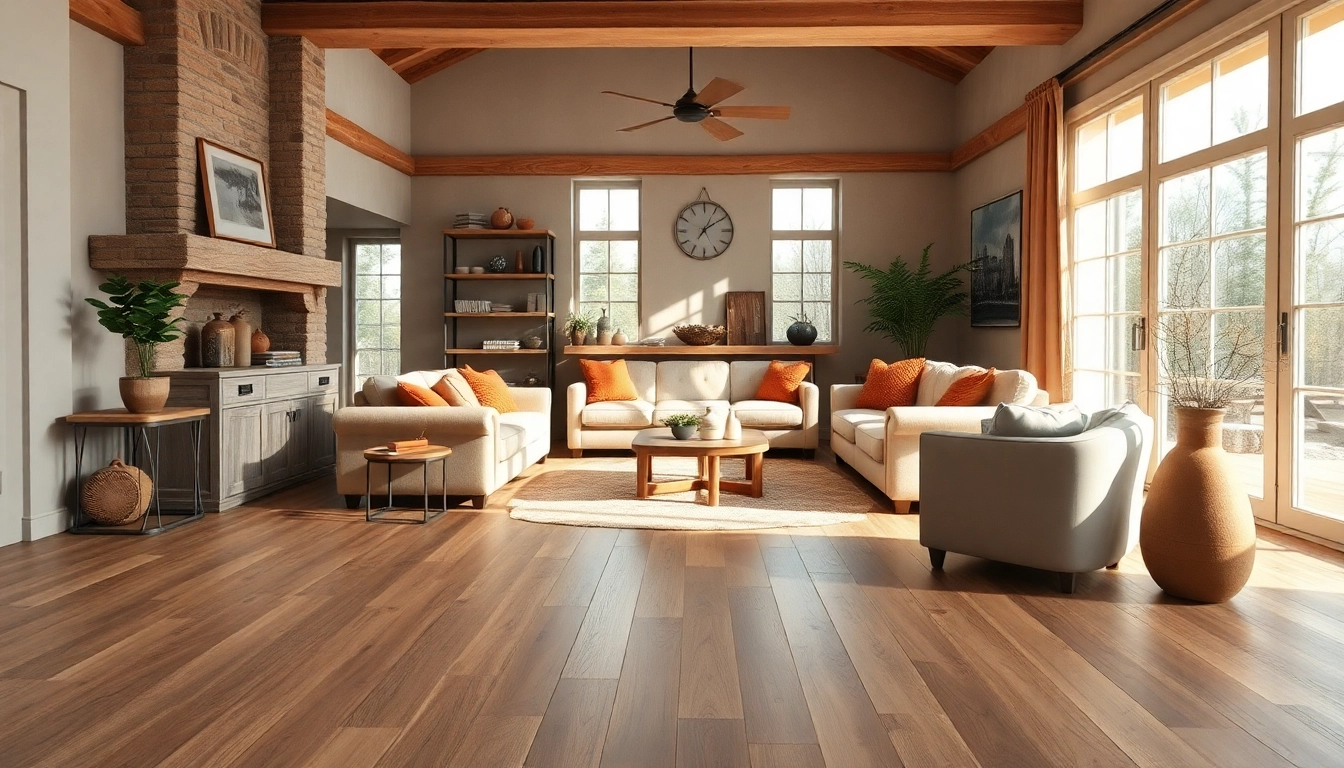
One of the appeals of LVP waterproof flooring is the wide array of design and color options available. Whether you prefer the classic look of oak or a more modern aesthetic with gray tones, there’s something to suit every taste. Visual texture plays an important role as well; embossed finishes can create depth akin to real wood. This versatility enables homeowners to achieve their desired interior design style, from rustic to contemporary.
Common Mistakes to Avoid
When selecting LVP flooring, it's crucial to avoid common pitfalls. One common mistake is underestimating the importance of acclimating the planks to the environment before installation, which may lead to expansion or contraction after the flooring is down. Additionally, failing to choose the appropriate wear layer thickness for your lifestyle can lead to quicker wear and tear. Finally, neglecting to check the subfloor condition can result in uneven surfaces and complications post-installation.
Installation Guide for LVP Waterproof Flooring
Preparation for Installation
Proper preparation is key to a successful LVP installation. Start by clearing the installation area of furniture and existing flooring materials. Ensure the subfloor is clean, dry, and level; any imperfections can affect the quality of the flooring. Measure the room carefully to calculate how many planks you will need, and allow for a few extra pieces for cuts and waste. It is advisable to acclimate your LVP planks in the room where they will be installed for at least 48 hours.
Step-by-Step Installation Process
- Start with the Right Tools: Gather all necessary tools, including a utility knife, straight edge, measuring tape, and spacers.
- Lay the Underlayment: If required, lay the underlayment to provide cushioning and sound insulation.
- Begin Installation: Start from one corner of the room and lay the first plank with the tongue side facing the wall.
- Use Spacers: Place spacers between the wall and the planks to allow for expansion.
- Continue Laying Planks: Connect the end joints and lay the remaining planks, ensuring a staggered pattern.
- Cut Planks as Needed: Use a utility knife to cut planks to size as you work toward the opposite wall.
- Finish Up: Remove the spacers, install transition strips if necessary, and replace furniture.
Post-Installation Care
After installation, allow the floor to settle without heavy furniture or foot traffic for at least 24 hours. Avoid excessive moisture during the first few days to ensure proper adhesion. Regular maintenance includes sweeping or vacuuming to remove dirt and debris, and using a damp mop with a manufacturer-recommended cleaner occasionally to keep the floor looking its best.
Maintenance of LVP Waterproof Flooring
Daily Cleaning Tips for Long-Lasting Floors
To maintain the beauty and durability of your LVP waterproof flooring, daily cleaning is essential. Use a soft broom or vacuum with a hard surface setting to remove dirt and dust. It's best to avoid wet mopping too frequently, as excessive moisture can lead to long-term damage. Instead, opt for a damp mop and a gentle cleaner specifically designed for vinyl flooring.
Dealing with Stains and Scratches
Stains and scratches can diminish the appearance of your floor, but they can be effectively managed. For stains, promptly blot the area with a soft, damp cloth and use a mild soap solution if necessary. For scratches, LVP typically contains a resilient top layer that can withstand minor abrasions. If deeper scratches occur, consider using a vinyl repair kit to fill and match the color of your flooring.
When to Call a Professional
While LVP is designed for easy installation and maintenance, certain situations may require professional assistance. If you notice significant warping, extensive damage, or difficulty in cleaning and maintaining the floor, it’s advised to consult a flooring expert. Additionally, complex installations, especially in large or irregular spaces, may benefit from professional experience to ensure a flawless finish.
FAQs about LVP Waterproof Flooring
What Makes LVP Flooring Waterproof?
LVP flooring is waterproof due to its vinyl composition, which integrates multiple layers offering moisture protection, including a specialized core that prevents water penetration.
How Long Can LVP Waterproof Flooring Last?
With proper care and maintenance, LVP waterproof flooring can last from 15 to 25 years, making it a durable flooring option for many homeowners.
Can I Install LVP Over Existing Flooring?
Yes, LVP can often be installed over existing flooring, but it is crucial to ensure that the surface is even, clean, and free of any moisture issues to achieve optimal results.
What is the Cost Range for LVP Flooring?
The cost of LVP flooring can vary widely based on brand, thickness, and design features, typically ranging from $2 to $7 per square foot, excluding installation.
Is LVP Flooring Environmentally Friendly?
While LVP flooring is made from synthetic materials, many manufacturers are moving toward more environmentally-friendly practices, using recycled content and low-VOC emissions to reduce their ecological footprint.