Understanding the Image to 3D Process
The transition from 2D to 3D has undergone a profound transformation, driven largely by advancements in technology. The process of converting images into three-dimensional models, known as the Image to 3D conversion, allows artists, designers, and engineers to create realistic representations that can be utilized in various applications, from gaming to product design. Understanding this technology is essential for anyone looking to leverage the full potential of digital design.
What is Image to 3D Technology?
At its core, Image to 3D technology refers to the processes and tools that transform two-dimensional images into three-dimensional models. Utilizing artificial intelligence, machine learning, and various software tools, this technology identifies key features within an image and extrapolates depth, texture, and volume. As more industries adopt 3D modeling, the significance of this technology in bridging the gap between 2D art and 3D design becomes increasingly apparent.
Importance of Image to 3D in Modern Design
The importance of Image to 3D technology cannot be overstated. In architecture, for instance, rendering 2D plans into immersive 3D visualizations allows clients to better grasp designs before construction begins. In the entertainment industry, game developers utilize this technology to convert character sketches into animated models seamlessly. Furthermore, this technology aids in the prototyping processes for product development, enabling rapid iterations and modifications that save time and resources.
Exploring Different Image to 3D Tools
There are numerous tools available for converting images to 3D models, each with unique features catering to diverse needs. Some of the leading platforms include:
- Meshy AI: Known for its ease of use, it offers a user-friendly interface for turning 2D images into 3D assets.
- Sloyd AI: This platform provides extensive customization options, allowing users to upload images and generate textured models for various applications.
- Tripo AI: Renowned for its speed, Tripo lets users create detailed 3D models from photographs in seconds.
- HexaGen: This tool specializes in realistic model generation, handling single and multiview images effectively.
- Adobe Firefly: Aimed at professionals, it integrates well with other Adobe products, streamlining the design workflow.
Common Challenges in Image to 3D Conversion
Despite the advancements in Image to 3D technology, there are several challenges faced by users which can affect the quality and usability of the generated models.
Quality Issues in 3D Rendering from Images
One of the most significant challenges is ensuring the quality of the rendered 3D model. Factors such as the resolution of the input image, lighting conditions, and the complexity of the subject matter can dramatically influence the final output. Poor-quality images can lead to artifacts, missing details, or unrealistic textures in the 3D model.
Overcoming Technical Barriers
Another barrier involves the technical knowledge required to use advanced software tools. While many platforms are designed for ease of use, understanding the underlying principles of 3D modeling can help users optimize their results. For instance, knowing how to prepare images, adjust parameters, and refine outputs can significantly streamline the conversion process.
Managing User Expectations
Managing expectations is crucial, especially for users new to Image to 3D technology. Many enter with the assumption that the conversion will be flawless and instantaneous. However, real-world applications often require several iterations and manual adjustments to achieve the desired precision and quality. Setting realistic expectations about the capabilities of the technology and the time investment required can lead to a more satisfactory outcome.
Best Practices for Successful Image to 3D Projects
To ensure successful outcomes when working on Image to 3D projects, consider the following best practices:
Choosing the Right Images for Conversion
Selecting the right images is foundational to the success of the conversion process. High-resolution images that capture detail and have clear subject outlines yield the best results. It's recommended to avoid images with excessive noise or clutter that can confuse the conversion tool.
Techniques for Optimizing 2D Images
Before uploading images for conversion, users should consider optimizing them. Techniques may include adjusting contrast, brightness, and color balance. Additionally, cropping images to focus on the main subject can help the software perform better during the rendering process.
Software Recommendations for Professionals
Professionals in the field might benefit from exploring advanced software options such as Blender for comprehensive modeling capabilities or Autodesk Maya for animations and 3D designs. These tools offer advanced functionality for users who require more than basic Image to 3D conversion.
Case Studies: Successful Image to 3D Applications
Examining real-world applications of Image to 3D technology showcases its versatility and impact across various industries.
Transforming Art and Illustration into 3D
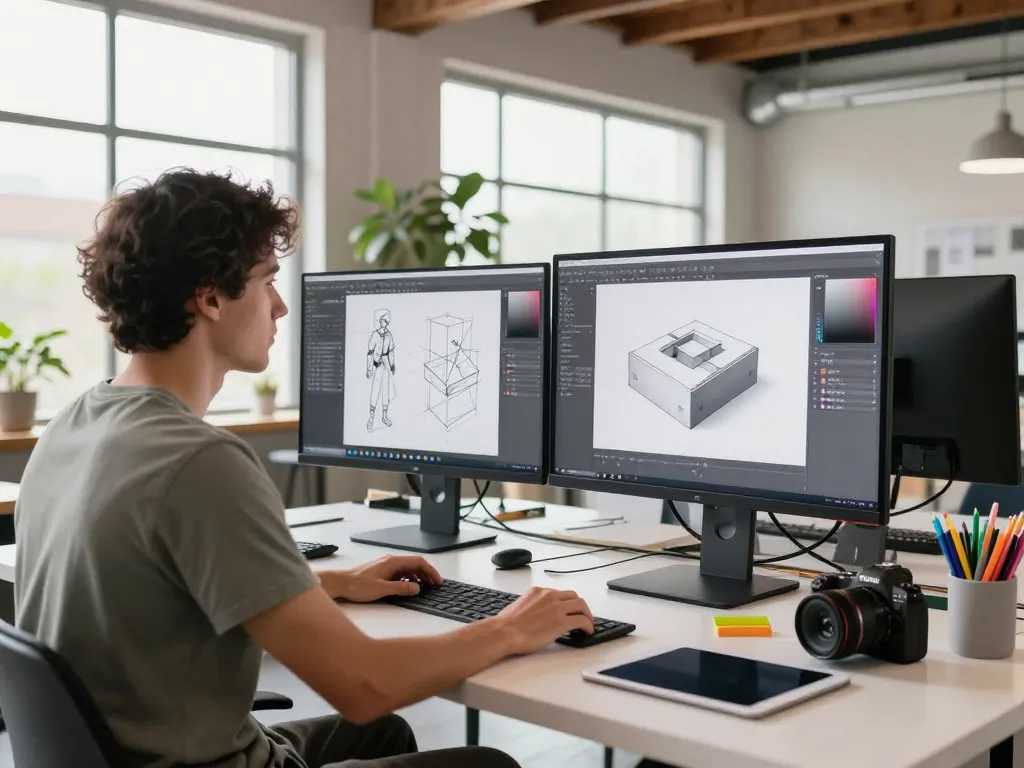
Artists have successfully leveraged Image to 3D tools to create sculptures from their illustrations. For instance, a digital illustrator might convert a character design into a 3D model for virtual reality experiences, allowing audiences to interact with the art in a way that was previously impossible.
Real-World Examples in Game Design
In the gaming industry, developers often use Image to 3D technology to translate concept art into in-game assets. This not only enhances the visual experience but also streamlines the development process, allowing for quicker prototyping and adjustments to game environments and characters.
Image to 3D in Product Prototyping
Manufacturers utilize Image to 3D technology to visualize new products before they are built. By generating 3D models from initial sketches, companies can test ergonomics, design features, and aesthetics, leading to more informed decisions and better product outcomes.
Future Trends in Image to 3D Technology
The landscape of Image to 3D technology is rapidly evolving, with numerous trends shaping its future. Staying abreast of these trends is essential for any professional engaging with 3D modeling.
Emerging Tools and Software for 2026
Anticipated innovations in software tools are set to enhance user experience and model quality. New AI-driven platforms that require minimal input from users will likely emerge, enabling even amateurs to create professional-grade models effortlessly.
Impact of AI on Image to 3D Conversion
Artificial intelligence is at the forefront of transforming Image to 3D processes. Future algorithms will improve the accuracy and speed of conversions, as they learn from vast datasets and user feedback, continually refining their output.
Predictions for User Adoption and Industry Changes
As these technologies advance, we can expect broader adoption across various sectors. Industries not traditionally associated with 3D modeling, such as education and healthcare, may begin to integrate Image to 3D technology into their practices, driven by the need for enhanced visualization and interactive learning.
What are the best free tools for Image to 3D?
Several free tools are available that cater to those exploring Image to 3D conversion without a financial commitment. Online platforms such as Sloyd AI and HexaGen offer free trials, making them ideal for users at different skill levels. It's important to read reviews and select tools that best suit individual project needs.
How does Image to 3D impact design workflows?
The integration of Image to 3D technology into design workflows simplifies processes. By bridging the gap between concepts and tangible designs, professionals can iterate faster and enhance collaboration among different teams. This ultimately leads to more innovative solutions and refined products.
What types of images work best for 3D conversion?
Generally, images with distinct focal points, high resolution, and good lighting conditions yield the best results in 3D conversion. Images that have clear edges and are devoid of excessive background detail minimize confusion for the software, leading to cleaner models.
Can Image to 3D technology be used for prototyping?
Absolutely, Image to 3D technology is invaluable in prototyping. It speeds up the design iteration stages, allowing designers to visualize concepts in three dimensions quickly. This technology has become a staple in industries requiring rapid prototyping, such as consumer goods and automotive design.
What skills do I need to master Image to 3D tools?
To effectively use Image to 3D tools, a basic understanding of 3D modeling concepts is beneficial. Familiarity with design software, along with skills in image editing, can significantly enhance a user's ability to produce high-quality 3D models. Continuous learning and exploration of new tools will further improve these skills over time.