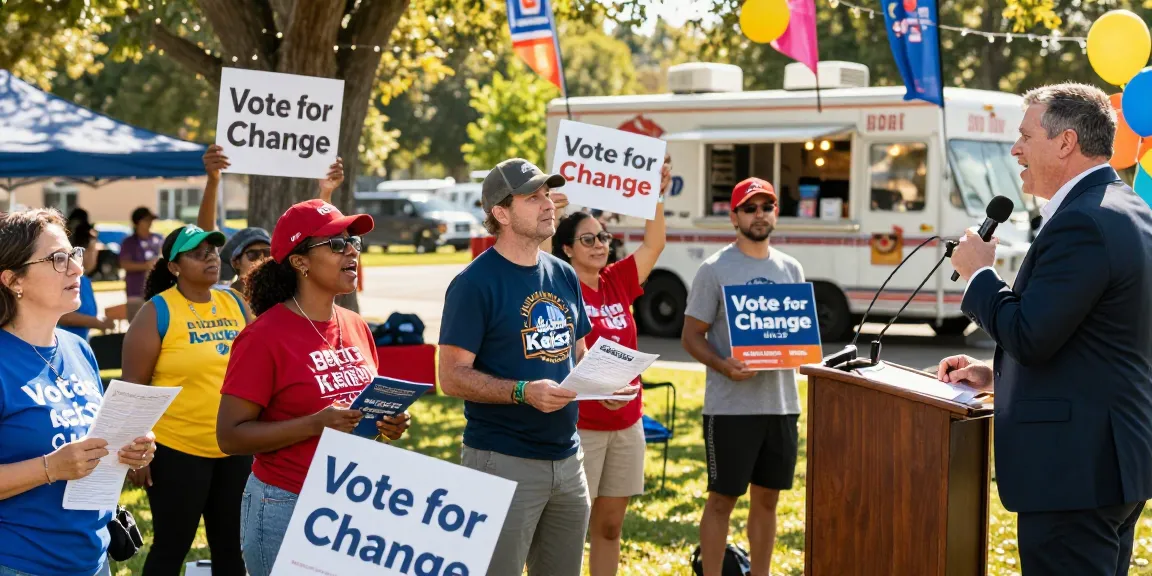
Understanding Political Campaign Marketing Costs
In the dynamic landscape of political campaigning, the cost of marketing can significantly influence the success of your campaign. Understanding the various elements that contribute to political campaign marketing cost is crucial for candidates and strategists alike. As we advance toward the 2026 electoral cycle, campaign costs continue to evolve, necessitating a comprehensive grasp of how much to allocate for effective outreach and voter engagement.
What Influences Political Campaign Marketing Costs?
Several factors influence political campaign marketing costs, including the scale of the campaign, geographic focus, and the strategies employed. For instance, local campaigns may require a different budget allocation compared to state or national campaigns due to the differing sizes of target audiences and the media markets involved. Additionally, the choice between digital advertising, traditional media, and grassroots outreach can greatly affect overall expenditures.
- Target Audience: Understanding demographics and voter segments can dictate tailored marketing efforts and associated costs.
- Media Choices: The platforms used for advertising (TV, radio, online) will vary in cost, impacting the total budget.
- Timeframe: Campaigns with longer timelines may incur additional costs for sustained outreach and media buys.
Budget Allocation across Campaign Strategies
Effective budget allocation is pivotal to maximizing campaign reach and engagement. Campaigns often allocate a percentage of their budget to various strategies, including:
- Digital Advertising: This can include social media ads, search engine marketing, and display ads, often taking up a significant portion of modern campaign budgets.
- Traditional Media: TV and radio spots are still effective for reaching broader audiences, particularly in local elections.
- Voter Outreach: Grassroots efforts, including door-knocking and phone banking, require budget considerations for staffing and materials.
By carefully allocating funds across these strategies, candidates can ensure that they are engaging voters effectively while managing costs.
Comparing Costs: Local vs. National Campaigns
The cost differences between local and national political campaigns can be stark. Local campaigns can often operate on smaller budgets, with rigorous targeting strategies that focus on specific demographics within a community. However, national campaigns face the challenge of addressing a much larger and diverse voter base, resulting in higher marketing costs. For example, a local council candidate may spend around $10,000 on digital ads, while a U.S. Senate candidate might budget upwards of $1 million for a similar outreach strategy.
Essential Data for Successful Campaigning
Data-driven campaigning is not merely a trend; it's a necessity for effective political strategy. The foundation of a successful campaign lies in understanding voter behavior and preferences through detailed data analysis. This underscores the importance of investing in robust voter data solutions.
Importance of Voter Data in Political Campaigns
Every successful political campaign begins with a comprehensive understanding of the electorate. Analyzing voter data helps candidates identify key demographics, track voter sentiment, and tailor their messaging accordingly. For instance, campaigns that leverage updated voter files can pinpoint undecided voters and strategize outreach efforts more effectively.
Types of Voter Files: What You Need to Know
Understanding the types of voter files available is crucial for targeted campaigning. Common voter file options include:
- District Voter Files: Provide complete information for a specific electoral district.
- Statewide Voter Files: Useful for larger races, covering all voters within a state with detailed demographic information.
- Custom Voter Cuts: Tailor-made files that focus on specific demographics or geographies, allowing for precise targeting.
How to Analyze Voter Data Effectively
Effective analysis of voter data requires the integration of various tools and methods. Utilizing data visualization software can enhance insights drawn from raw data, allowing campaigns to see trends and patterns more clearly. Additionally, employing predictive analytics can help anticipate voter behavior, enabling campaigns to adjust strategies in real-time.
Strategic Marketing Tactics for Campaign Success
With the foundational data in place, implementing strategic marketing tactics is essential for a successful campaign. These tactics should be cohesive, targeting voters where they are most active and engaged.
Integrating Digital Advertising and Political SEO
Digital advertising is a cornerstone of modern political campaigns. This includes utilizing political SEO to ensure visibility online when potential voters search for information related to the campaign. By optimizing website content and ads for relevant keywords, campaigns can enhance their reach and engagement.
Leveraging Social Media for Voter Engagement
Social media platforms have become pivotal for voter engagement. Campaigns should actively cultivate a presence on platforms like Facebook, Twitter, and Instagram to connect with voters. Regular updates, interactions, and targeted ads can keep the electorate informed and engaged, driving voter turnout.
Building a Comprehensive Campaign Website
A well-designed campaign website serves as the hub for all campaign activities. It should include essential information about the candidate, platform, events, and donation opportunities. Moreover, it can effectively utilize tools for email collection and voter registration, making it a pivotal asset for any campaign.
Best Practices for Transparency and Compliance
In the world of political campaigning, transparency and regulatory compliance are non-negotiable elements. Campaigns must not only adhere to Federal Election Commission (FEC) guidelines but also foster trust among voters.
Understanding FEC Regulations on Campaign Costs
FEC regulations require campaigns to maintain accurate records of expenditures and donations. Familiarizing yourself with these regulations is essential to avoid potential legal pitfalls. Understanding how these regulations impact your campaign's financial practices is key to maintaining compliance.
Transparent Pricing Models Explained
Transparent pricing models allow campaigns to budget accurately without hidden fees or unexpected costs. By outlining clear service costs for various marketing strategies, campaigns can make informed decisions. This not only fosters trust but also aids in strategic financial planning.
Ensuring FEC-Compliant Invoicing
Every transaction involving campaign funds must comply with FEC invoicing requirements. This involves detailed record-keeping and transparent communication with stakeholders to ensure accountability and compliance throughout the campaign.
Future Trends in Political Campaign Marketing
As we look toward the 2026 elections, several trends are emerging that will shape political campaign strategies. Staying ahead of these trends will be essential for any successful campaign.
Adapting to Emerging Technologies in 2026
New technologies, such as AI-driven analytics and automated marketing tools, are set to revolutionize how campaigns operate. Embracing these innovations can streamline processes and enhance targeting accuracy, allowing campaigns to connect with voters more effectively.
Growing Importance of Data Privacy in Campaigns
With increasing concerns over data privacy, campaigns must navigate these waters carefully. Ensuring that all voter data is collected and used responsibly will not only comply with regulations but will also build trust among constituents.
What to Expect in Political Marketing Strategies
The political marketing landscape will likely shift toward more personalized and localized strategies. Voters are increasingly looking for candidates who resonate with their unique experiences and concerns, necessitating a more tailored approach in outreach and messaging.
How Will Political Campaigns Change in 2026?
As digital media continues to evolve, the way candidates communicate with voters will also transform. Expect a greater emphasis on direct engagement strategies that facilitate two-way communication, allowing voters to feel more connected to their candidates.