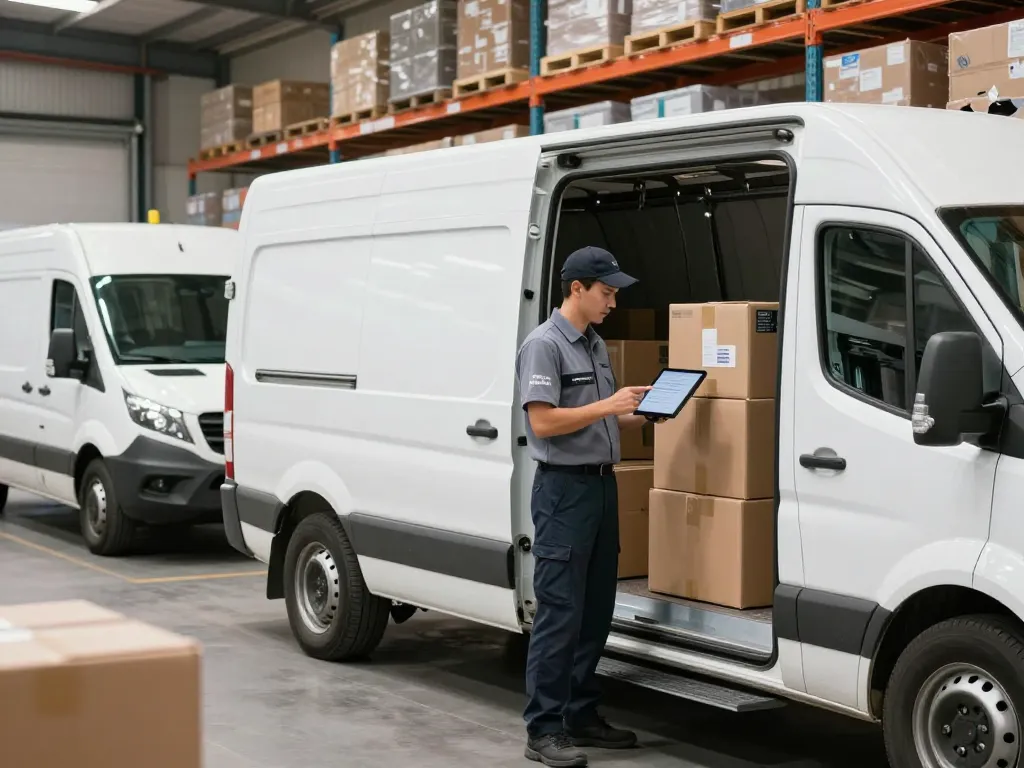
Understanding Logistics: The Backbone of Modern Transport
Logistics is more than just a buzzword in the transport industry; it is a comprehensive system that facilitates the movement of goods and services from one point to another efficiently and effectively. In 2026, as businesses across the globe strive for operational excellence, understanding logistics becomes essential not only for ensuring timely delivery but also for maintaining competitive advantage. Companies like Bennison Transport represent the forefront of express logistics, offering time-critical transport solutions that operate around the clock, ensuring that cargo is picked up and delivered precisely when needed. Logistics empowers organizations to meet consumer expectations and navigate the complexities of global supply chains with ease.
What Is Logistics?
Logistics involves the planning, implementation, and control of the efficient flow of goods, services, and related information from the point of origin to the point of consumption. It encompasses a wide range of activities, including transportation management, warehousing, inventory control, order fulfillment, and supply chain management. In a world increasingly driven by e-commerce and global trade, the efficacy of logistics operations can make or break a business.
Importance of Logistics in 2026
The landscape of logistics in 2026 is shaped by several critical factors. Firstly, customer expectations have evolved dramatically; consumers now demand faster delivery times and real-time tracking of their shipments. Secondly, the logistics sector plays a vital role in sustainability, with companies striving to minimize their carbon footprints through innovative transport solutions. Moreover, new technologies such as artificial intelligence and blockchain are revolutionizing logistics operations, enhancing transparency, and improving efficiency.
Key Components of Effective Logistics Management
- Transportation: The physical movement of goods is the core of logistics. Efficient transportation options can significantly lower costs and improve service quality.
- Warehousing: Adequate storage facilities are crucial for maintaining inventory and facilitating smooth operations. Strategic placement of warehouses can reduce transportation costs and improve delivery speeds.
- Inventory Management: Keeping track of inventory levels to meet demand without overstocking is essential to maintaining cash flow.
- Order Fulfillment: The process of picking, packing, and delivering orders must be streamlined for customer satisfaction and operational efficiency.
- Supply Chain Management: Coordinating all logistics activities across the supply chain ensures a seamless flow of goods, reducing delays and inefficiencies.
Challenges in Logistics: Navigating Complexity
Common Obstacles in the Logistics Industry
Despite the advancements in logistics management, companies often encounter various challenges. One of the primary issues is the rising costs associated with transportation and warehousing. Fuel prices can fluctuate, impacting operational budgets. Additionally, regulatory changes can create hurdles, necessitating constant adaptation. Businesses also face obstacles related to supply chain disruptions, whether due to natural disasters, political unrest, or global pandemics.
Misconceptions About Logistics Services
There are many misconceptions about logistics services that can hinder effective decision-making. One prevalent myth is that logistics is solely about transportation. While transportation is essential, logistics encompasses a holistic view of the entire supply chain, including warehousing, inventory management, and order fulfillment. Another common misconception is that only large companies require sophisticated logistics solutions, while in reality, businesses of all sizes benefit from efficient logistics management.
Technological Advancements Addressing Logistics Challenges
To mitigate the challenges faced in logistics, technology plays a pivotal role. Innovations such as automated warehousing systems, predictive analytics, and digital platforms for real-time tracking enhance operational efficiency and accuracy. Drones and autonomous vehicles are also poised to reshape last-mile delivery. By harnessing these technologies, logistics companies can significantly reduce costs and improve service delivery.
Best Practices for Efficient Logistics Management
Strategies for Streamlining Logistics Operations
Implementing best practices in logistics management can lead to substantial improvements in efficiency and customer satisfaction. Companies should focus on optimizing their supply chain by consolidating shipments, leveraging cross-docking strategies, and utilizing advanced route planning software. This not only minimizes transportation costs but also reduces transit times.
Importance of Real-Time Tracking in Logistics
Real-time tracking is no longer a luxury; it is a necessity in modern logistics. Customers expect transparency in their order status, which can significantly influence their purchasing decisions. By providing accurate updates and visibility into the logistics process, businesses can enhance customer trust and loyalty. Moreover, real-time tracking enables companies to respond swiftly to unexpected delays, maintaining operational integrity.
Case Studies of Successful Logistics Implementations
Examining case studies of successful logistics operations provides valuable insights. For example, a major retail chain enhanced its supply chain efficiency through the adoption of an integrated logistics management platform, resulting in reduced delivery times and improved inventory turnover. Another example includes a tech company that implemented automated warehousing solutions, leading to a 30% decrease in fulfillment costs.
Future Trends in Logistics: What to Expect
Emerging Technologies Shaping the Future of Logistics
The future of logistics is intertwined with technological advancements. Artificial intelligence will play a crucial role in predictive analytics, helping companies forecast demand and optimize inventory. Additionally, the Internet of Things (IoT) will enable real-time monitoring of assets, enhancing visibility throughout the supply chain.
Sustainability Practices in Logistics Operations
As environmental concerns continue to gain prominence, sustainability practices are becoming integral to logistics operations. Companies are increasingly investing in eco-friendly transport options, utilizing alternative fuels, and implementing green packaging solutions. These efforts not only benefit the planet but also appeal to environmentally-conscious consumers.
Preparing for Future Changes in Logistics Regulations
Regulatory changes are an inevitable aspect of the logistics landscape. Organizations must remain proactive in understanding and adapting to new regulations, whether related to emissions standards, trade policies, or safety protocols. By staying informed and compliant, businesses can avoid penalties and maintain smooth logistics operations.
Frequently Asked Questions About Logistics
What role does technology play in logistics management?
Technology serves as a cornerstone for efficient logistics management. It enables automation of processes, real-time tracking, and predictive analytics, all of which enhance operational efficiency and reduce costs.
How can businesses improve their logistics efficiency?
Businesses can improve logistics efficiency by adopting best practices such as optimizing shipment coordination, investing in technology, and continuously assessing and refining their logistics strategies to adapt to changing conditions.
What are the benefits of real-time tracking in logistics?
Real-time tracking enhances customer satisfaction by providing transparency and reducing uncertainty. It allows businesses to respond promptly to any issues and improves overall operational efficiency.
What trends should we anticipate in logistics for 2026?
Anticipated trends for 2026 include increased automation, enhanced use of AI, and a stronger focus on sustainable logistics practices, reflecting the changing needs of consumers and regulatory environments.
How can logistics companies prepare for regulatory changes?
Logistics companies can prepare for regulatory changes by staying informed about potential policy shifts, investing in training for compliance, and implementing flexible systems that can adapt to new requirements.