
Understanding the Fundamentals of Sports Broadcasting
What Is Sports Broadcasting?
Sports broadcasting is a significant discipline within the media landscape, revolving around the transmission of live sports events, analysis, commentary, and other related content. It encompasses various platforms, including television, radio, and digital media, effectively shaping how fans consume sports content. The primary objective is to bring sports to the audience, highlighting the excitement and drama of live events. With the evolution of technology, the accessibility of Sports Broadcasting has broadened significantly, with many fans now able to watch their favorite teams and athletes from anywhere in the world.
Key Roles in Sports Broadcasting
The landscape of sports broadcasting is dynamic and involves various professionals who play crucial roles. At the forefront are sports commentators—often former athletes or seasoned journalists—who provide live narration and insights during events. Behind the scenes, producers coordinate coverage, ensuring everything runs smoothly. Technical staff, including camera operators and sound engineers, work diligently to capture every thrilling moment. Digital content creators and social media managers play a vital part in promoting broadcasts, engaging fans through various platforms and providing additional content post-event.
The Evolution of Sports Broadcasting
The journey of sports broadcasting began as early as the 1920s. Initially limited to radio broadcasts, the field saw a monumental transformation with the advent of television. By the 1960s, color broadcasting had entered the scene, enhancing the viewing experience. The digital age introduced streaming services and social media platforms, allowing for on-demand content and interactive experiences. This evolution has not only changed how sports are viewed but also influenced how businesses in this space operate, requiring them to adapt to rapidly changing technologies and viewer preferences.
Technical Aspects of Sports Broadcasting
Essential Equipment for Sports Broadcasting
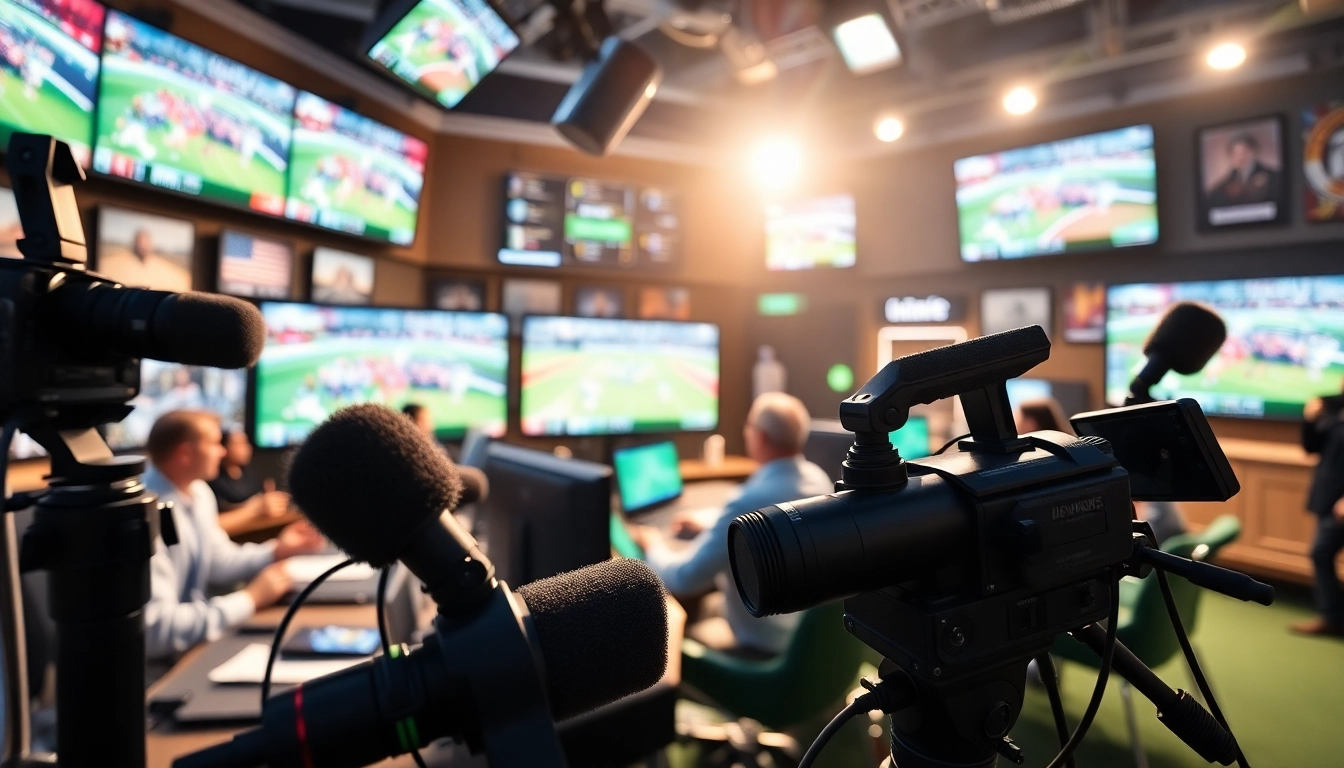
Successful sports broadcasting hinges on advanced technological equipment. Essential gear includes high-definition cameras, which capture crisp footage, and audio equipment that ensures clear commentary and sound effects. Additionally, graphics systems are vital for displaying statistics, player information, and other visual aids that enhance the viewer's understanding and engagement. The choice of equipment often impacts the quality of the broadcast, influencing viewer satisfaction and engagement levels.
Broadcasting Software and Tools
In the world of sports broadcasting, software plays an integral role. Tools for live streaming, such as OBS Studio and Wirecast, allow broadcasters to transmit events in real-time. Editing software like Adobe Premiere Pro is essential for pre-recorded segments, enabling the creation of highlight reels and promotional content. Furthermore, analytics software helps broadcasters measure viewer engagement and adapt their strategies accordingly. Mastery of these tools is essential for teams looking to stand out in a competitive broadcasting environment.
Understanding Live vs. Pre-recorded Broadcasting
Live broadcasting offers real-time coverage of sports events, with audiences able to experience the action as it unfolds. This format is ideal for fostering engagement and viewer excitement. However, pre-recorded broadcasts allow for meticulous editing and can enhance storytelling through curated highlights. Choosing between the two depends on various factors, including audience preference, the nature of the event, and the resources available. Both methods can be effective, and many organizations blend them to maximize reach and viewer satisfaction.
Content Creation and Storytelling in Sports Broadcasting
Crafting Compelling Narratives
Strong narratives are essential in sports broadcasting, as they elevate the experience beyond mere statistics and scores. By weaving together stories about athletes, teams, and rivalries, broadcasters can create emotional connections with their viewers. Effective storytelling involves understanding the history of a game or event, highlighting player backgrounds, and setting the scene for the audience. A well-crafted narrative not only engages viewers but can enhance their loyalty to brands and broadcasting channels.
Engaging Viewers Through Commentary
Commentary is a vital aspect of sports broadcasting, serving to inform and excite the audience. Successful commentators must possess a deep understanding of the sport, the ability to communicate clearly, and a knack for entertaining. Their commentary should offer insights that viewers might not easily discern, making the broadcast richer and more engaging. The dynamic style of commentary can also influence viewer perception and enjoyment, emphasizing the importance of selecting the right voice for each broadcast.
Utilizing Visuals and Graphics Effectively
Visuals, including graphics, video replays, and animations, play a crucial role in enhancing the sports broadcasting experience. Well-designed graphics help in conveying important information, such as player statistics and game analysis. Utilizing motion graphics for highlight reels can significantly increase viewer engagement, providing a captivating summary of the key moments of a game. Moreover, incorporating infographics that explain strategies and game plans can provide deeper insights, making the broadcast more informative and enriching for fans.
Regulatory Considerations for Sports Broadcasting
Understanding Broadcast Rights
Broadcast rights are a cornerstone of sports broadcasting, dictating who can show what events and when. These rights are typically negotiated between broadcasters and leagues or teams, often resulting in multimillion-dollar contracts. Rights can vary significantly by region, with local, national, and international regulations all playing a role. Understanding the complexities around broadcast rights is critical for broadcasters to avoid legal pitfalls and ensure compliant operations throughout their broadcasts.
Compliance with Legal Standards
Sports broadcasters must navigate a complex landscape of legal standards. Issues relating to copyright law, content licensing, and advertising regulations are paramount. Compliance ensures that broadcasts respect the rights of players, teams, and other associated entities. Legal challenges can arise from improper use of footage, misrepresentation of events, or violations of local broadcasting laws, making it essential for broadcasters to remain informed and consult legal experts when necessary.
Impact of Regulation on Broadcast Content
Regulatory frameworks significantly impact the content of sports broadcasts. Regulations might dictate the types of advertisements allowed during broadcasts or require certain disclosures about sponsorships. Additionally, depending on the jurisdiction, content related to gambling or sensitive topics may face stricter guidelines. Broadcasters must adapt their strategies and content to comply while still effectively engaging their audience and maintaining the integrity of their broadcasts.
Measuring Success in Sports Broadcasting
Key Performance Indicators
To evaluate the success of sports broadcasting efforts, organizations should focus on key performance indicators (KPIs). These may include viewer ratings, audience reach, and market share data. Such metrics provide insights into how well broadcasts are performing and can help guide strategic decisions moving forward. In an increasingly competitive landscape, understanding these KPIs allows broadcasters to make informed adjustments that cater to their audience's preferences.
Audience Engagement Metrics
Audience engagement metrics reveal how viewers interact with broadcasting content. Measures such as social media engagement, website traffic, and viewer feedback surveys provide valuable data. Analyzing these metrics allows broadcasters to gain insights into viewer preferences, thus enhancing content strategies. Furthermore, this feedback loop encourages continuous improvement and highlights areas that may require more focus or adjustment, ensuring content remains relevant and engaging.
Improving through Feedback and Analytics
In the realm of sports broadcasting, leveraging analytics and viewer feedback is essential for growth. By employing analytics tools, broadcasters can track viewer behavior, preferences, and overall satisfaction. Feedback can be gathered through surveys, social media interactions, and direct audience communications. This data can inform future broadcasts, revealing trends and areas for enhancement. By prioritizing continuous improvement, broadcasters can refine their strategies to meet the evolving needs and expectations of their audiences.
Frequently Asked Questions
What is the primary goal of sports broadcasting?
The primary goal of sports broadcasting is to deliver live sports events and related content to audiences, creating engaging experiences that connect fans with their favorite teams and athletes.
What roles are crucial in sports broadcasting?
Key roles include sports commentators, producers, technical staff, and digital content creators. Each plays a pivotal part in ensuring smooth and engaging broadcasts.
How has technology influenced sports broadcasting?
Technology has revolutionized sports broadcasting by introducing high-definition video, live streaming, and advanced analytics, enhancing viewer experiences and expanding accessibility.
What are broadcast rights, and why are they important?
Broadcast rights allow networks to show specific sports events; they are vital for generating revenue and ensuring compliance with legal and regulatory standards in broadcasting.
How can broadcasters measure their success?
Success can be measured through key performance indicators (KPIs), audience engagement metrics, and feedback analytics to assess viewer preferences and satisfaction levels.