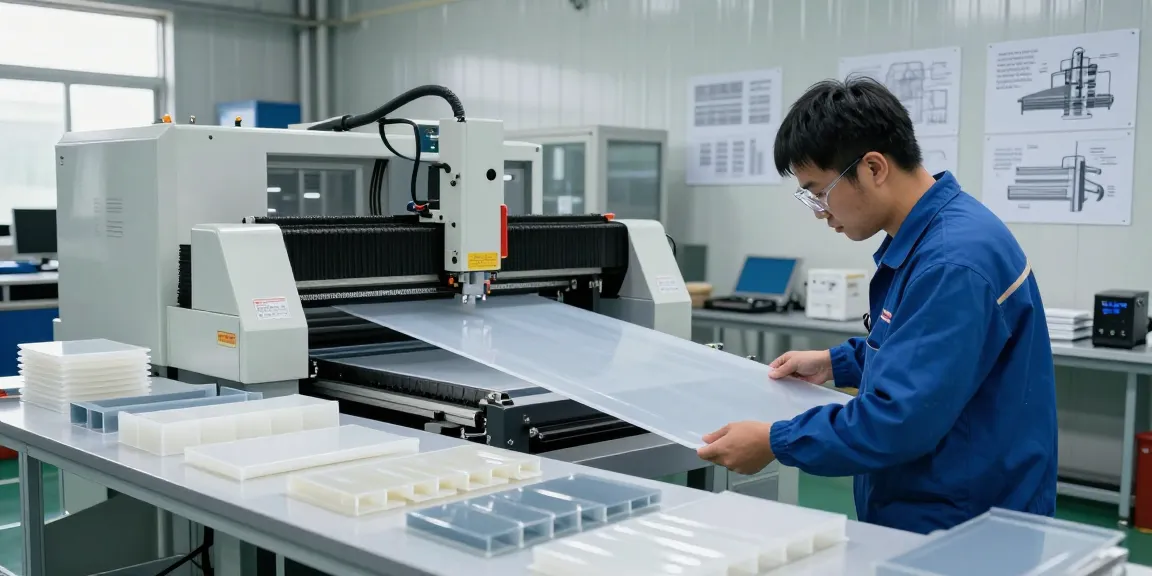
Understanding Semi-Finished Plastic Products
Semi-finished plastics are pivotal components in various industries, serving as foundational materials that lead to a vast array of finished products. These materials not only enhance efficiency in manufacturing but also allow companies to streamline production processes. When exploring options, Semi-finished plastic products, known for their versatility and durability, are increasingly becoming the choice for manufacturers in need of reliable, high-performance materials.
What Are Semi-Finished Plastics?
Semi-finished plastics refer to materials that have been processed from raw plastic into usable forms, such as sheets, rods, and tubes, which still require further machining or fabrication to meet specific application requirements. Unlike raw plastics, semi-finished materials are ready for immediate use in production processes, significantly reducing lead times and increasing manufacturing efficiency. These products are often characterized by their availability in various sizes, shapes, and thermal properties, making them suitable for diverse applications across industries.
Key Characteristics and Benefits of Semi-Finished Plastics
Semi-finished plastics offer a range of characteristics that enhance their use in both industrial and commercial applications. Key benefits include:
- Durability: Many semi-finished plastic products demonstrate high resistance to impact and stress, allowing them to perform reliably under challenging conditions.
- Chemical Resistance: Products made from materials such as PEEK and PVC can withstand exposure to a variety of chemicals, making them ideal for use in industries such as pharmaceuticals and chemical processing.
- Lightweight: Compared to metals, semi-finished plastics are significantly lighter, which can reduce transportation and handling costs.
- Customizability: The availability of various grades and types of semi-finished plastics means that manufacturers can select the best material suited to their specific needs.
- Cost-Effectiveness: Utilizing semi-finished plastics can lead to lower production costs due to reduced waste and increased manufacturing speed.
Common Applications Across Industries
Semi-finished plastics are widely used across many industries due to their adaptability and performance capabilities. Common applications include:
- Aerospace: Lightweight and strong materials are crucial for aircraft components.
- Automotive: Used in parts that require durability and resistance to environmental conditions.
- Medical: Components like surgical instruments and containers that demand biocompatibility and sterilization resistance.
- Electronics: Encapsulation and insulation materials for electrical components.
Types of Semi-Finished Plastics: Exploring Options
MC Nylon: Properties and Applications
MC Nylon, a type of semi-finished plastic, is favored for its exceptional wear resistance and low friction properties. This material is often used in applications where durability and reduced maintenance are essential, such as in conveyor belts, gears, and bearing applications.
PEEK: High-Performance Characteristics
PEEK (Polyether ether ketone) is renowned for its high-temperature resistance and mechanical strength, making it ideal for aerospace, automotive, and medical applications. Its ability to withstand extreme conditions while maintaining structural integrity makes PEEK a sought-after material in industries requiring reliability and performance.
PP and PVC: Versatile Choices for Various Needs
Polypropylene (PP) and Polyvinyl Chloride (PVC) offer a combination of affordability and versatility. PP is widely used for packaging applications due to its chemical resistance and elasticity, while PVC is favored for its strength and ease of fabrication, commonly found in pipes and medical devices.
Manufacturing Processes for Semi-Finished Plastics
Extrusion Techniques for Efficiency
Extrusion is a common manufacturing process used to produce semi-finished plastic products. In this method, plastic is heated and forced through a die to create consistent shapes such as sheets and rods. This technique allows for high throughput rates and is suitable for manufacturing large quantities of materials quickly.
CNC Machining: Precision and Quality
CNC (Computer Numerical Control) machining is utilized to achieve high precision in cutting and shaping semi-finished plastic products. This technology allows manufacturers to create complex shapes and sizes, ensuring that the final products meet specific tolerances and performance standards.
Quality Control Measures in Production
Quality control is vital in the production of semi-finished plastics. Manufacturers must implement rigorous testing and inspection processes to ensure that materials meet industry standards and customer specifications. Techniques may include dimensional checks, material property testing, and visual inspections to identify any defects prior to shipment.
Challenges and Solutions in Working with Semi-Finished Plastics
Common Misconceptions about Semi-Finished Plastics
One prevalent misconception is that semi-finished plastics lack the strength and durability found in metals. However, advancements in material chemistry have led to the development of high-performance plastics that can outperform traditional materials in many applications.
Addressing Material Limitations
While semi-finished plastics offer numerous advantages, they also come with limitations, such as sensitivity to UV radiation or temperature fluctuations. Manufacturers must carefully select materials based on application requirements and consider protective coatings or treatments to enhance performance.
Best Practices for Successful Implementation
To maximize the benefits of semi-finished plastics, companies should adopt best practices, including thorough material selection, comprehensive training for staff on machining techniques, and effective inventory management to minimize waste and downtime during production.
Future Trends in Semi-Finished Plastics for 2026 and Beyond
Innovative Materials on the Horizon
The development of bio-based and recyclable semi-finished plastics is becoming increasingly important as industries strive for sustainable alternatives. Innovations in material science are expected to lead to products that not only perform well but also have a lower environmental impact.
Sustainability Considerations in Manufacturing
As sustainability becomes a focal point for manufacturers, the use of semi-finished plastics made from recycled materials is expected to rise. This shift not only helps reduce waste but also appeals to environmentally conscious consumers and stakeholders.
Technological Advances Shaping the Industry
Emerging technologies, such as additive manufacturing and advanced polymer processing techniques, are set to revolutionize the production of semi-finished plastics. These innovations will allow for greater customization, reduced lead times, and enhanced performance across various application areas.
What are the advantages of using semi-finished plastic materials?
Semi-finished plastics offer numerous advantages, including ease of processing, reduced costs, and the ability to meet specific industry standards, making them a preferred choice for many manufacturers.
How do I choose the right type of semi-finished plastic for my project?
To select the appropriate semi-finished plastic, evaluate factors such as required strength, thermal resistance, and environmental conditions. Consulting with material experts can also provide valuable insights into suitable options.
What manufacturing techniques are best for semi-finished plastics?
The choice of manufacturing techniques, such as extrusion or CNC machining, should align with the desired product characteristics, volume requirements, and material properties to ensure quality and efficiency.
What industries benefit most from semi-finished plastics?
Industries such as aerospace, automotive, medical, and electronics significantly benefit from semi-finished plastics due to their performance characteristics and the ability to meet specific application needs.
How is sustainability impacting the semi-finished plastics market?
Sustainability is driving demand for eco-friendly materials and manufacturing processes in the semi-finished plastics market. Businesses are increasingly focusing on reducing their carbon footprint and promoting the use of recyclable materials.