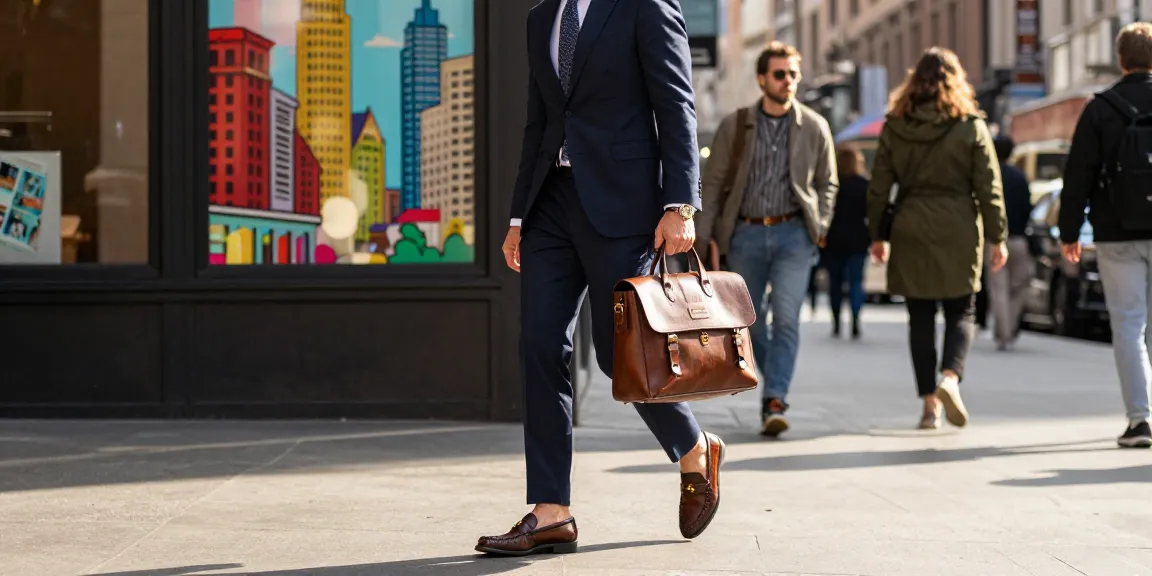
Understanding the Foundations of Men’s Fashion
Men’s fashion is more than just clothing; it is a reflection of one’s personality and lifestyle. It combines style, practicality, and cultural significance, making it an essential aspect of a man’s life. In recent years, the world of men’s fashion has undergone significant transformations, influenced by social media, celebrity endorsements, and changing cultural norms. As we look towards 2026, understanding the foundational elements of men’s fashion helps to navigate these changes with confidence and creativity.
What is Men’s Fashion?
Men’s fashion encompasses a wide array of clothing and accessories designed for men. From formal suits and casual wear to shoes and accessories, it reflects both individual style and the prevailing societal trends. It is essential to recognize that men’s fashion goes beyond just appearance; it communicates status, identity, and even personal beliefs.
Current Trends and Their Evolution
Fashion trends evolve continuously, often cycling through influences from past decades while integrating modern sensibilities. For instance, oversized clothes have made a significant comeback, reminiscent of styles from the 90s. Likewise, sustainable fashion has gained traction, encouraging brands and consumers to prioritize eco-friendly choices. Understanding the historical context of these trends can enhance personal style and help in making informed wardrobe choices.
Importance of Personal Style
Developing a personal style is crucial for every man. It not only builds confidence but also allows for self-expression. A well-curated wardrobe reflects a man’s lifestyle, interests, and values. Whether it’s through the choice of colors, materials, or fits, personal style can set a man apart in any environment.
Key Elements of a Well-Dressed Man
Choosing the Right Fit: Tailoring Matters
The fit of clothing is paramount in achieving a polished appearance. Ill-fitting garments can detract from even the most stylish outfits. Tailoring is an investment worth making; it ensures that clothing complements your body shape, enhancing both comfort and aesthetics. Men should consider setting aside a budget specifically for tailoring to achieve the perfect fit.
Essential Wardrobe Staples Every Man Needs
Every man’s closet should include certain staples that never go out of style. These include:
- A classic white dress shirt
- Well-fitted jeans
- A tailored blazer
- Chinos for a smart-casual look
- Quality leather shoes
These essentials serve as the foundation for a versatile wardrobe, allowing for a variety of outfits suitable for different occasions.
Accessorizing: Adding Personality to Your Outfit
Accessories are the finishing touches that complete an outfit. From watches and ties to hats and belts, the right accessories can enhance your look and showcase your personality. However, it’s important to strike a balance; too many accessories can overwhelm an outfit, while too few may leave it lacking. The key is to choose pieces that complement your style without competing for attention.
The Role of Color in Men’s Fashion
Understanding Color Theory for Men’s Wardrobe
Color plays a critical role in how outfits are perceived. Understanding basic color theory can guide men in selecting hues that enhance their natural features and work well together. For instance, warm tones like reds and oranges can create a bold statement, while cooler tones such as blues and greens evoke calmness and sophistication.
How to Combine Colors Effectively
Combining colors effectively is an art. A useful approach is the 60-30-10 rule, which suggests using 60% of a dominant color, 30% of a secondary color, and 10% of an accent color. This method creates a balanced and visually appealing outfit. Additionally, experimenting with patterns and textures can add depth to monochromatic looks.
Seasonal Color Trends for 2026
As we move into 2026, certain color palettes are emerging as popular choices. Earth tones such as olive green, terracotta, and muted browns dominate the landscape, reflecting a shift towards natural and sustainable aesthetics. Incorporating these colors into your wardrobe can keep your style fresh and in line with contemporary trends.
Building a Versatile Wardrobe
Classics vs. Trends: Finding the Balance
Finding a balance between classic pieces and trendy items is essential for creating a timeless wardrobe. Classics—such as a well-fitted blazer or tailored trousers—offer longevity, while trends allow for personal expression and experimentation. It’s advisable to invest in quality classics and add trendy pieces sparingly to avoid frequent overhauls of your wardrobe.
Building Your Capsule Wardrobe
A capsule wardrobe consists of a limited number of versatile pieces that can be mixed and matched to create multiple outfits. This approach simplifies dressing and reduces decision fatigue. Key items for a capsule wardrobe include a pair of dark denim jeans, a neutral sweater, and a versatile coat. By focusing on quality and fit, you can keep your wardrobe streamlined yet stylish.
Shopping Smart: Sustainable and Ethical Choices
As sustainability becomes increasingly significant in the fashion industry, making ethical choices when shopping is essential. Opt for brands that prioritize sustainable materials and ethical labor practices. Additionally, consider second-hand shopping or swapping clothes with friends to reduce waste while refreshing your wardrobe.
Fashion for Every Occasion
Business Attire: Dressing for Success
In the realm of business, first impressions are crucial. Selecting appropriate business attire can influence perceptions of professionalism and competence. A well-tailored suit in neutral colors, paired with a crisp shirt and quality shoes, can make a powerful statement. Additionally, accessories like a classic watch or a leather briefcase enhance credibility.
Causal Wear: Mastering Comfort and Style
Causal wear offers freedom in expressing one’s style while maintaining comfort. Key pieces include well-fitted chinos or jeans, polo shirts, and stylish sneakers. Layering can also enhance comfort while adding dimension to outfits. A lightweight jacket or cardigan can be perfect for transitional weather while keeping the overall look sleek.
Event-Specific Styling: Weddings, Parties, and More
Dressing for specific events requires understanding the dress code and the occasion’s tone. For weddings, a tailored suit is usually appropriate, while a garden party may call for lighter fabrics and brighter colors. Always consider the season and location—outdoor events may require more breathable fabrics compared to formal indoor settings.
What are the latest men’s fashion trends for 2026?
2026 is poised to be an exciting year for men’s fashion. Key trends include:
- Bold patterns and prints
- Utilitarian-inspired garments
- Mixing textures for visual interest
- Revived retro styles from the 70s and 80s
Staying informed about these trends can enhance your wardrobe choices and ensure you remain stylishly relevant.
How can I incorporate accessories into my outfit?
Incorporating accessories into your outfit can be achieved by following these tips:
- Choose one or two statement pieces, such as a bold watch or a vibrant scarf.
- Layer necklaces for added interest, but avoid overwhelming the look.
- Coordinate colors within your accessories to tie the outfit together.
By strategically selecting accessories, you can elevate even the simplest outfits.
What are the must-have staples in men’s fashion?
Key staples in men’s fashion include:
- White dress shirt
- Dark denim jeans
- Neutral blazer
- Classic leather shoes
- Chinos
These pieces provide a functional foundation for any man’s wardrobe, allowing for versatility and style.
How do I choose outfits for different occasions?
Outfit selection should consider the occasion, setting, and dress code. For formal events, opt for tailored suits, while smart-casual entails blending classic and trendy pieces. Keeping a few versatile outfits ready in your wardrobe can reduce stress when dressing for various occasions.
What are the key considerations for sustainable fashion?
When pursuing sustainable fashion, consider the following:
- Material sourcing: Opt for organic or recycled fabrics.
- Brand ethics: Research brands that focus on ethical labor practices.
- Longevity: Invest in timeless items that will last years rather than fast fashion.
By making informed decisions, you contribute to a more sustainable fashion industry.