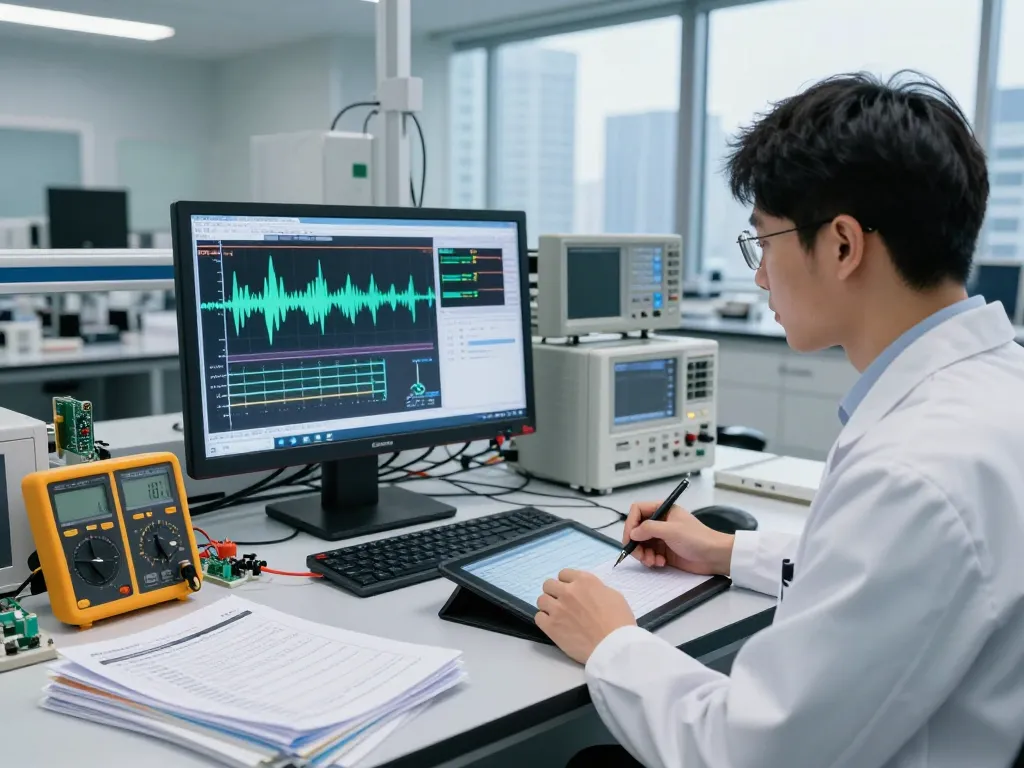
Understanding Digital Oscilloscopes
Digital oscilloscopes have revolutionized the way engineers and hobbyists analyze electrical signals. These complex instruments capture, store, and display waveform data, allowing users to visualize changes in voltage over time. Unlike traditional analog oscilloscopes, digital models provide higher accuracy and the ability to analyze complex signals, making them essential tools in modern electronics.
What is a Digital Oscilloscope?
A digital oscilloscope is an electronic measuring device that visualizes electrical signals as waveforms. It converts analog signals into digital form, allowing for more precise measurements and complex analyses. The advantages of digital oscilloscopes include higher bandwidth, better triggering capabilities, and advanced features such as data logging and signal processing.
Key Features of Digital Oscilloscopes
- Bandwidth: The frequency range the oscilloscope can accurately measure.
- Sampling Rate: The speed at which the device samples the signal, typically measured in megasamples per second (MSa/s).
- Storage Depth: The amount of data the oscilloscope can store for later analysis.
- Triggering Functions: The ability to capture events of interest in waveforms.
- Display Quality: High-resolution screens that display complex waveforms clearly.
Benefits of Using Digital Oscilloscopes in Electronics
Digital oscilloscopes play a crucial role in various applications, from designing circuits to troubleshooting them. Their ability to capture transient events and zoom in on waveforms provides invaluable insights for engineers. Additionally, features like automatic measurements reduce setup time, making them efficient for rapid testing in both academic and professional settings.
Factors to Consider When Choosing a Digital Oscilloscope
Choosing the right digital oscilloscope is essential for effective signal analysis. Prospective buyers should consider several key factors, including bandwidth, sampling rate, and triggering capabilities. When exploring options, choosing a digital oscilloscope for electronics requires a careful assessment of your specific needs and project requirements.
Bandwidth and Its Importance
The bandwidth of an oscilloscope determines the highest frequency signal it can accurately measure. For most electronics applications, selecting an oscilloscope with a bandwidth that is at least three to five times greater than the highest frequency of the signals being measured is advisable. This ensures that the oscilloscope captures the complete waveform without distortion.
Sampling Rate Explained
Sampling rate is another critical specification. It refers to how often the oscilloscope samples the analog signal to convert it into digital form. A higher sampling rate allows for more accurate representation of high-frequency waveforms, making it essential for applications involving rapid signal changes.
Triggering Capabilities and Waveform Capture
Triggering capabilities are vital for capturing specific events in a waveform. Advanced triggering options allow users to isolate signals of interest, improving analysis quality. Features such as edge triggering, pulse width triggering, and pattern triggering enhance the oscilloscope’s usability across different testing scenarios.
Top Digital Oscilloscope Brands for Electronics Enthusiasts
The market offers a variety of reliable brands, with Hanmatek, Rigol, and Tektronix frequently topping the list for their innovative features and reliable performance. Making an informed choice among these brands is essential for maximizing investment in a digital oscilloscope.
Comparing Popular Brands: Hanmatek, Rigol, and Tektronix
Hanmatek oscilloscopes, such as the DOS1104 and DOS1102 series, are designed for both professionals and hobbyists. They offer a balance of performance and affordability, making them an excellent choice for a wide range of applications. Rigol and Tektronix are known for their high-quality instruments, often favored in laboratory and industrial settings thanks to their advanced features and robust build quality.
Features to Look for in Each Brand
While comparing brands, consider the following features:
- Ease of Use: User-friendly interfaces with intuitive controls enhance the user experience.
- Support and Documentation: Look for brands that provide extensive user manuals and customer support.
- Software Compatibility: Ensure the oscilloscope can easily integrate with analysis software for advanced functionality.
Price Point Considerations
Price is often a deciding factor when choosing an oscilloscope. While higher-end models provide advanced capabilities, there are many budget-friendly options available that still offer professional features. Evaluating the long-term value and how the oscilloscope will be used is crucial in determining the right investment.
Applications of Digital Oscilloscopes in Electronics Projects
Digital oscilloscopes find applications in numerous fields of electronics, from education to advanced research and design. Their versatility makes them suitable for various tasks, including troubleshooting, design verification, and signal analysis.
Educational Uses in Laboratories
In educational settings, digital oscilloscopes enhance learning by providing students with hands-on experience in signal analysis. They help students understand complex concepts such as waveform behavior and circuit dynamics, preparing them for real-world engineering challenges.
Advanced Engineering and R&D Applications
Engineers and researchers utilize oscilloscopes for development and testing in areas such as telecommunications, automotive systems, and consumer electronics. The ability to analyze fast-changing signals and debug intricate systems is invaluable in these cutting-edge industries.
Hobbyist Projects and DIY Electronics
For hobbyists, oscilloscopes can be game-changers in DIY electronics projects. They enable enthusiasts to design, debug, and modify electronic circuits with greater precision. Whether you’re building a simple LED circuit or a complex microcontroller-based project, having access to a reliable oscilloscope can significantly enhance your development process.
Future Trends in Digital Oscilloscope Technology
The landscape of digital oscilloscopes is continuously evolving. With advancements in technology, the capabilities of these instruments are set to expand, making them even more essential for engineers and hobbyists alike.
Emerging Technologies in 2026
As we approach 2026, expect to see digital oscilloscopes leveraging artificial intelligence (AI) to improve measurement accuracy and analysis speed. Features such as automated setup and intelligent triggering will make these instruments even more user-friendly.
Predictions for Oscilloscope Capabilities
Future oscilloscopes are anticipated to come equipped with higher bandwidths and sampling rates, enabling them to capture an even wider range of signals. Additionally, improvements in memory depth will allow for longer data capture durations, essential for analyzing complex waveforms.
Integrating AI and Smart Features
The integration of AI will provide oscilloscope users with predictive capabilities, identifying potential issues before they become significant problems. Smart features will enhance the overall user experience and simplify data interpretation.
What Should Beginners Know?
For beginners, understanding the basic functions of an oscilloscope is essential. Familiarization with terminology such as bandwidth, sampling rate, and triggering options will help new users make informed choices when selecting their first digital oscilloscope.
How to Maintain Your Digital Oscilloscope?
Proper maintenance of digital oscilloscopes ensures long-term reliability. Users should keep the instrument clean, regularly check for software updates, and store it in a safe environment to protect against physical damage.
Are Digital Oscilloscopes Worth the Investment?
Investing in a digital oscilloscope can greatly enhance an engineer’s or hobbyist’s capabilities. The precision, data storage, and analysis features of modern oscilloscopes justify their cost, particularly for those working in demanding environments.
What Common Mistakes to Avoid When Using an Oscilloscope?
Common mistakes include improper probe connections, inadequate grounding, and overlooking the oscilloscope settings. Familiarizing oneself with the user manual and practicing basic measurements can help avoid these pitfalls.
How Do I Compare Different Oscilloscope Models?
When comparing models, focus on specifications such as bandwidth, sampling rate, and additional features. User reviews can provide insight into performance and usability, aiding in the selection process.
Can I Use an Oscilloscope for Basic Electrical Testing?
Yes, digital oscilloscopes can be utilized for basic electrical testing, such as verifying voltage levels and signal integrity. Their advanced features provide detailed insights that standard multimeters cannot offer.