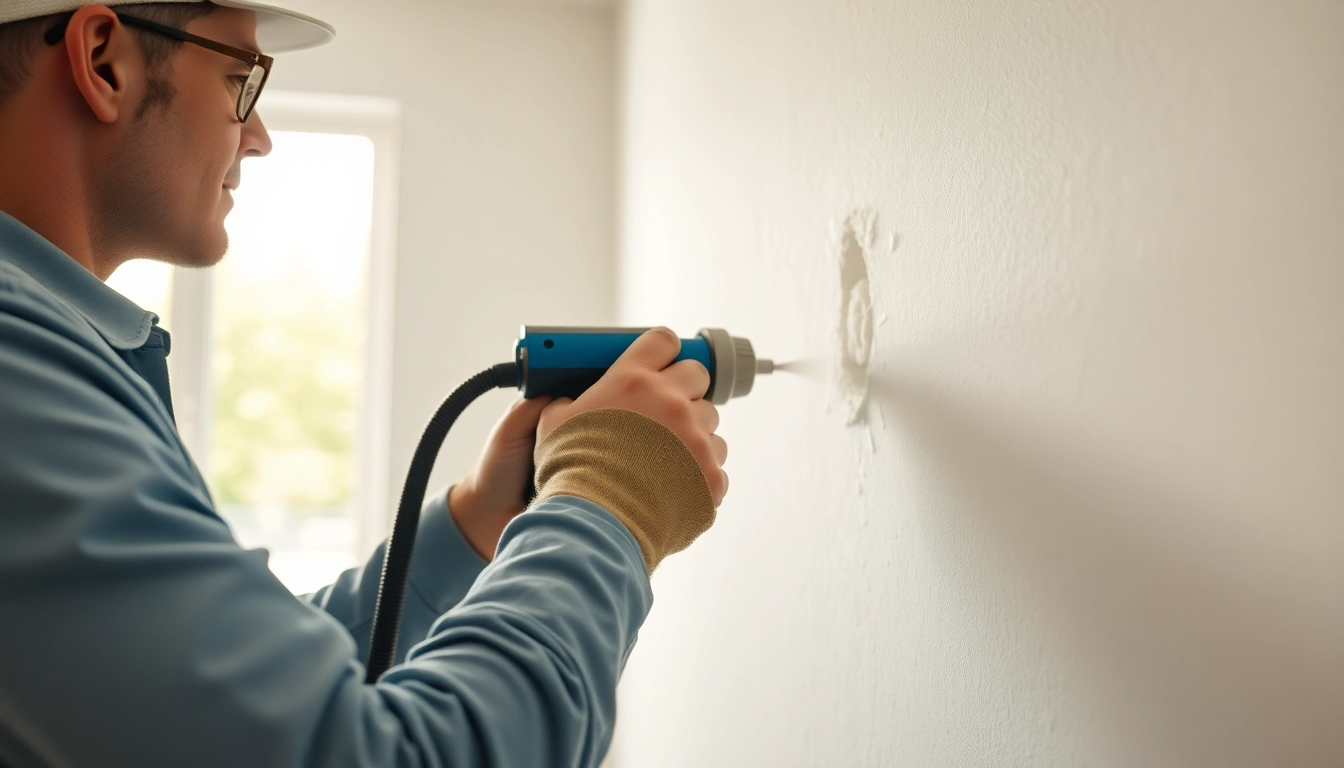
Understanding Spray Foam Insulation
What is Spray Foam Insulation?
Spray foam insulation is a popular energy-efficient material used to insulate homes and businesses. It consists of a mixture of isocyanate and polyol resin that, when combined, expands rapidly to fill gaps, cracks, and voids. This creates a continuous air barrier that is effective at reducing thermal transfer and improving overall energy efficiency. Often used in attics, walls, and crawl spaces, spray foam has gained popularity due to its excellent insulating properties and versatility.
Benefits of Spray Foam Insulation
There are numerous benefits associated with spray foam insulation. The primary advantages include:
- Energy Efficiency: Spray foam insulation has a higher R-value per inch than traditional insulation materials, making it a more effective option for reducing energy costs.
- Air Sealing: Its expanding properties fill gaps better than other insulations, providing a tighter seal that prevents air leakage.
- Mold Resistance: Unlike traditional insulation, spray foam does not absorb moisture, reducing the risk of mold growth.
- Noise Reduction: The density of spray foam can block sound transmission, enhancing indoor acoustic comfort.
- Longevity: When properly installed, spray foam can last for decades without needing replacement.
Common Problems with Spray Foam Insulation
While spray foam insulation offers many advantages, it is not without its challenges. Common issues include:
- Improper Installation: If not applied correctly, it can lead to issues such as off-gassing and inadequate coverage.
- Over-Expansion: Sometimes, spray foam can expand too much, leading to structural stress or deformation of building components.
- Moisture Accumulation: If the foam is installed in damp areas without proper ventilation, it can trap moisture and lead to deterioration.
- Health Concerns: The chemicals used in spray foam may pose health risks if not managed properly during application and curing.
When to Consider Spray Foam Removal UK
Signs It's Time for Removal
There are several indicators that it may be time to consider spray foam removal UK. Key signs include:
- Visible Damage: If the foam appears discolored, cracked, or crumbling, it may no longer be effective in providing insulation.
- Unpleasant Odor: Persistent odors may signal degradation or chemical off-gassing, indicating removal is necessary.
- Increased Energy Bills: Unexplained spikes in energy costs may suggest that the insulation is compromised and needs replacement.
- Health Issues: If occupants experience allergic reactions, respiratory problems, or other health concerns, it may be worth investigating the insulation.
Impact of Moisture and Damage
Moisture is one of the most significant threats to spray foam insulation. Prolonged exposure to humidity can cause the foam to absorb water, leading to mold and mildew growth. Additionally, if the insulation deteriorates, it can compromise the structural integrity of the building. This can lead to costly repairs and a decreased lifespan for the entire property.
Health Risks Associated with Aging Foam
As spray foam ages, it may begin to break down, releasing chemicals and particulates that can pose health risks. Symptoms such as headaches, respiratory irritation, and allergic reactions may occur as a result. It is crucial to assess the insulation periodically, especially in older installations, to ensure safety and compliance with health regulations.
Step-by-Step Process for Spray Foam Removal UK
Preparing the Area for Safe Removal
Safe removal of spray foam insulation begins with proper preparation. First, ensure the area is well-ventilated to minimize exposure to any harmful fumes. Next, clear the surrounding space of furniture and other items to create a working environment free of hazards. It is also essential to prepare for possible debris; using protective sheeting can contain dust and particles that may arise during the removal process.
Essential Tools and Safety Gear
The right tools and safety gear are critical for effective removal. Essential tools include:
- Utility knife or saw
- Heat gun
- Scrapers and chisels
- Protective eyewear and gloves
- Respirator or mask
Wearing the appropriate personal protective equipment (PPE) such as gloves, masks, and goggles is vital to guard against the chemicals in the foam and airborne particles.
Techniques for Effective Removal
To remove spray foam insulation effectively, follow these techniques:
- Cut the Foam: Use a utility knife or saw to cut away large sections of foam, making movements as direct and even as possible.
- Heat Application: A heat gun can soften the foam, making it easier to scrape away. Be cautious not to overheat or damage underlying materials.
- Scraping Residue: After large chunks are removed, use a scraper to remove any leftover foam residue, ensuring a clean surface for any repairs or new insulation.
Once the foam is removed, clean up any dust and debris created during the process, keeping the work area safe and organized.
Post-Removal Considerations
Assessing Structural Integrity
After removal, it's crucial to assess the structural integrity of the affected area. Inspect for any damage that may have been concealed by the spray foam, such as rot, mold, or compromised framing. It's advisable to consult a structural engineer if significant issues are discovered, ensuring necessary repairs are made before reinstalling insulation.
Choosing Replacement Insulation
Selecting the right replacement insulation depends on various factors including climate, budget, and energy efficiency goals. Options include traditional fiberglass batts, cellulose, or newer materials such as rigid foam boards. Each material has its pros and cons in terms of performance, sustainability, and cost. It’s essential to consider the long-term implications of your choice to ensure optimal energy efficiency.
Repairing Damaged Areas Post-Removal
If the spray foam insulation concealed areas that are now in need of repair, take the time to properly fix those issues. This could involve replacing damaged drywall, repairing moldy areas, or addressing water damage. It’s important to ensure the space is properly sealed and insulated before installing the new insulation to avoid recurring issues.
Frequently Asked Questions About Spray Foam Removal UK
How long does the spray foam removal process take?
The time required depends on the area and amount of foam to be removed, often ranging from a few hours to a full day.
Is spray foam removal safe for my home?
Yes, when conducted by professionals with appropriate safety measures, it minimizes risks to your home and health.
What are the costs associated with spray foam removal UK?
Costs can vary based on foam type and area size, typically ranging from a few hundred to several thousand pounds.
Will I need to vacate my home during removal?
It may be recommended to vacate for safety, especially if large areas or toxic materials are being removed.
What steps should I take after spray foam removal?
It's crucial to inspect the area, consider new insulation options, and make necessary repairs to maintain home integrity.