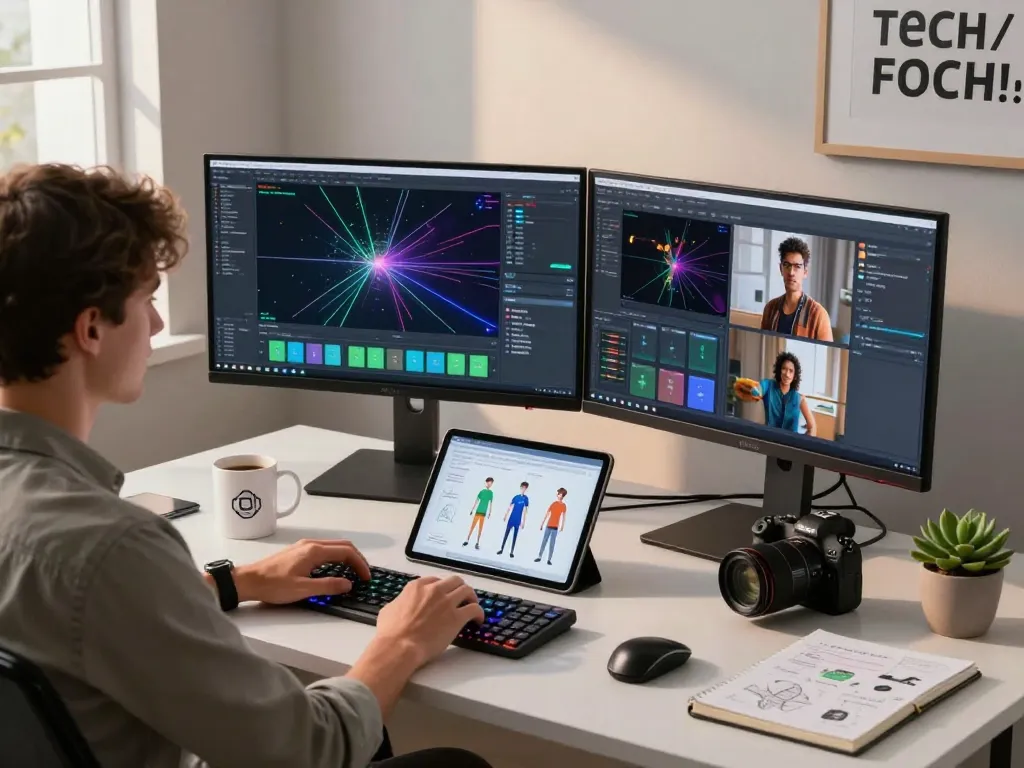
Understanding Kling Motion AI: An Overview
In the era of digital content creation, harnessing cutting-edge technology is paramount for artists, marketers, and content creators seeking to produce engaging videos. Kling motion ai emerges as a leader in this domain, enabling users to transform static images into dynamic, animated videos seamlessly. Powered by advanced artificial intelligence, Kling 2.6 enhances the creative process with tools that streamline video production and improve overall output quality.
What is Kling Motion AI?
Kling Motion AI is a state-of-the-art image-to-video conversion platform that leverages AI algorithms to animate still photographs. By analyzing a reference video and a static image, Kling Motion AI replicates the movement and expression of the subject, creating a rich, lifelike video output. This innovative technology is a game-changer in video production, making it easier for creators to tell compelling visual stories without requiring extensive animation skills.
How Kling 2.6 Enhances Video Creation
Kling 2.6 has redefined the landscape of video creation with its feature-rich capabilities:
- Accurate Motion Path Control: Users can define specific motion paths for characters or camera movements, ensuring that every action meets the creator’s intent.
- Reliable Character Identity Preservation: The system faithfully maintains the character’s appearance throughout the video, preventing visual drift and distortion.
- Photorealistic Output: Kling 2.6 produces high-resolution videos with realistic lighting and textures, achieving results that rival professional CGI.
Key Features of Kling Motion AI
The features of Kling Motion AI distinguish it from other platforms:
- Advanced Controls for Complex Actions: Users can master intricate movements and dynamic postures, making it suitable for advanced creative projects.
- Rapid Video Generation: Save time with quick rendering, transforming static images into videos in mere moments rather than hours.
- Live Feedback Mechanism: Instant previews allow creators to refine their videos efficiently before final export.
Getting Started with Kling Motion AI
Step-by-Step Setup Guide
For newcomers, the first step is to familiarize yourself with the Kling Motion AI interface. The intuitive design allows for smooth navigation through the various production stages:
- Upload Your Character Image: Choose a full-body or half-body image with a clear background to ensure the best results.
- Add a Reference Video: This step is crucial as it guides the AI in achieving accurate and natural movement replication.
- Text Prompts: Enhance your video by providing descriptive text prompts that specify actions, moods, and camera angles.
- Generate Video: Click ‘Generate’ to create your video. Preview the final output and export once satisfied.
Best Practices for Image and Video Input
To optimize your video creation experience, adhere to these best practices:
- Ensure your reference image is at least 3.5 seconds long and no larger than 150MB.
- Match the orientation of your image with the reference video (full-body with full-body, half-body with half-body) to enhance synchronization.
- Select motion clips that exhibit clear, controlled movements to help maintain a stable character position.
Common User Mistakes to Avoid
Several pitfalls can hinder the video creation process. Avoid these common errors:
- Neglecting to use high-quality reference videos which can lead to poor motion transfer.
- Overlooking the need for ample background space, resulting in edge clipping in dynamic movements.
- Failing to provide detailed text prompts, which may result in generic or uninspired video output.
Advanced Techniques for Professional Results
Fine-Tuning Character Motions
Achieving professional-quality results often requires advanced adjustments. Utilize the following techniques:
- Posture and Expression Alignment: Match the character’s actions with the reference video to ensure realistic representation.
- Dynamic Range Selection: Choose videos with varied motion ranges to explore different animation styles and effects.
Using Reference Videos Effectively
Effective use of reference videos is critical for achieving lifelike animations. Consider these strategies:
- Keep the reference video within a similar context to the character image to maintain coherence in the final video.
- Incorporate short clips of clear, deliberate movements that can be easily translated into the animated format.
Creating Viral Content with Kling Motion AI
Viral content can significantly enhance visibility and reach. Here’s how to harness Kling Motion AI for this purpose:
- Engaging Ideas: Focus on trending topics or themes that resonate with audiences.
- Utilize Humor and Emotion: Integrate elements that evoke laughter or emotional responses, increasing shareability.
- Optimize Formats: Format videos suitable for various platforms, ensuring the right aspect ratios and durations for social media.
Measuring Success and Optimizing Output
Key Metrics to Track Video Performance
To evaluate the effectiveness of your videos, monitor these essential metrics:
- View Counts: Measure how many times your video has been viewed across platforms.
- Engagement Rates: Track likes, shares, and comments to gauge audience interaction.
- Conversion Rates: For commercial projects, analyze how many viewers take action after watching your video.
Adjusting Settings for Quality Improvement
Optimization is key to achieving the best results. Regularly review settings such as:
- Video quality resolution to ensure clarity across devices.
- Adjusting frame rates to suit the type of content being produced.
- Using varying lighting settings to enhance visual fidelity.
Leveraging Feedback for Continuous Improvement
Constructive feedback is essential for refining your video creation skills. Engage with your audience and peers to:
- Solicit opinions on what works and what doesn’t in your videos.
- Incorporate suggestions to improve future projects.
- Experiment with new styles and formats based on audience preferences.
Future Trends in Motion Control AI
Innovations Expected in 2026 and Beyond
The landscape of motion control AI is rapidly evolving. Expected innovations include:
- Enhanced Realism: Continued improvements in rendering technology will yield even more lifelike animations.
- Integration with Virtual Reality: Motion control AI is expected to play a significant role in the creation of immersive VR experiences.
The Role of Artificial Intelligence in Video Production
As AI technologies advance, their integration into video production is becoming more profound. Future applications may include:
- Automated editing features that streamline workflows.
- Advanced predictive algorithms that suggest improvements and enhance storytelling.
Potential Applications Across Different Industries
The versatility of motion control AI can be harnessed in various fields, including:
- Marketing: Engaging video ads that dynamically showcase products.
- Healthcare: Educational animations that simplify complex concepts for patients.
- Entertainment: Creative projects that push the boundaries of storytelling and visual effects.
What are the benefits of using Kling Motion AI?
Using Kling Motion AI offers numerous advantages that streamline the creative process, including:
- Time-saving features that reduce the effort needed to produce high-quality videos.
- Access to advanced tools that enhance visual storytelling.
- Potential for increased viewer engagement through dynamic animations.
Can I use Kling Motion AI for commercial projects?
Yes, Kling Motion AI can be utilized for commercial projects, making it an ideal choice for businesses looking to enhance their marketing efforts.
How does Kling Motion AI compare to other video generation tools?
Kling Motion AI sets itself apart through its unique combination of realistic output and user-friendly interface, making it preferable for both novice and professional creators alike.
What are the fastest ways to generate videos with Kling AI?
Utilizing pre-existing templates and familiarizing yourself with the platform’s features can significantly expedite the video creation process.
Does Kling Motion AI support user-defined prompts for output?
Absolutely! Users can define prompts that guide the AI in producing videos that align closely with their creative vision.