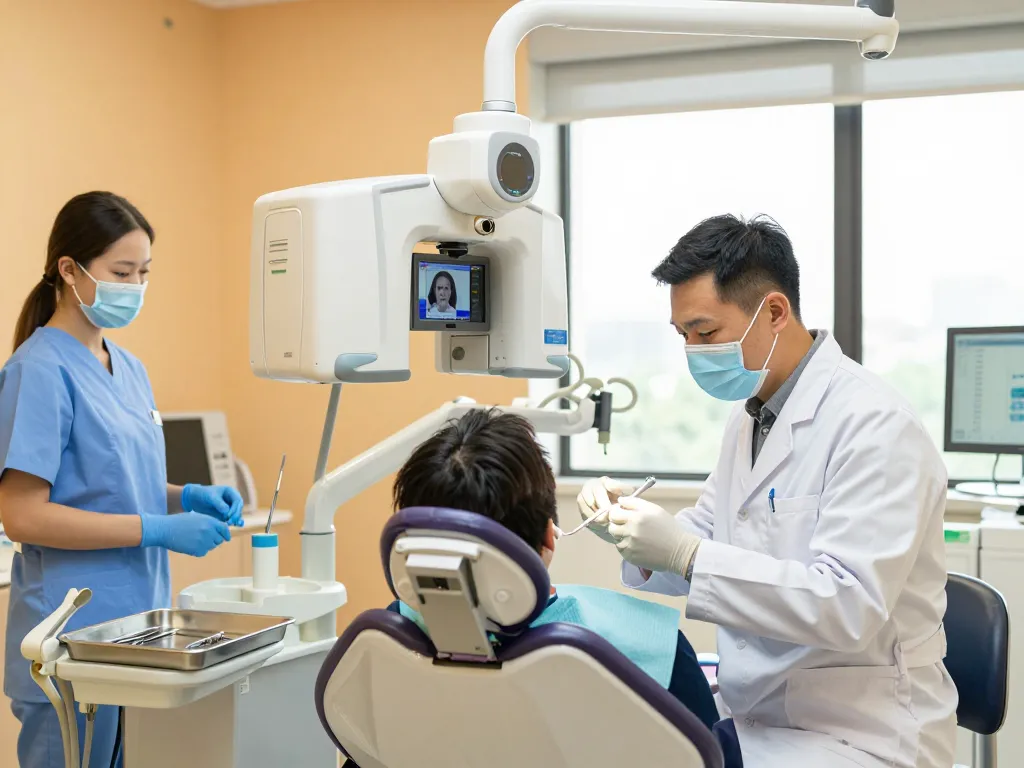
Understanding the Role of a Dentist in Modern Healthcare
In today’s health landscape, the role of a Dentist extends far beyond the traditional perception of simply filling cavities or extracting teeth. As healthcare professionals, dentists are integral players in the broader field of medicine, focusing not only on oral health but also on how oral conditions can affect overall well-being. With advancements in technology and a deeper understanding of the connection between oral and systemic health, dentists are redefining their importance in modern healthcare.
What Does a Dentist Do in 2026?
In 2026, a dentist’s responsibilities encompass a wide array of functions aimed at promoting both oral health and patient education. This includes:
- Diagnostic Services: Utilizing state-of-the-art technology to diagnose dental issues accurately.
- Preventive Care: Implementing strategies to prevent oral diseases, including regular cleanings and patient education on proper hygiene.
- Treatment Planning: Developing personalized treatment plans that reflect the latest advancements in dentistry.
- Collaboration with Healthcare Providers: Working alongside other healthcare professionals to ensure comprehensive patient care.
- Emergency Care: Providing immediate assistance for dental emergencies such as trauma or severe pain.
Key Skills Every Dentist Should Have
As the field of dentistry continues to evolve, possessing the right skill set is crucial for success. Some of the key skills include:
- Technical Proficiency: Mastery of dental techniques and the ability to use advanced dental technologies.
- Interpersonal Skills: Effective communication with patients to ease anxiety and foster trust.
- Analytical Thinking: The ability to assess complex clinical situations and devise effective solutions.
- Business Acumen: Understanding the operational aspects of running a dental practice in a competitive market.
Common Misconceptions About Dentistry
Many people harbor misconceptions about what dentists do and the nature of dental treatment. Addressing these misconceptions can improve patient trust and encourage proactive dental care. Common myths include:
- All Dentists Are Alike: In reality, dentists specialize in various fields such as cosmetic dentistry, orthodontics, and periodontics.
- Dental Visits Are Unnecessary: Regular check-ups are essential for maintaining oral health and preventing serious issues.
- Dental Procedures Always Hurt: Advances in pain management and technology have significantly reduced discomfort during dental procedures.
Latest Innovations in Dental Technology
The dental industry is undergoing rapid transformation with the introduction of innovative technologies that enhance patient care and improve treatment outcomes. Understanding these advancements is crucial for dentists aiming to remain competitive.
Advanced Equipment Transforming Dental Practices
Modern dental practices utilize a variety of new tools, including:
- Digital X-rays: These provide clearer images with less radiation, enabling quicker diagnosis.
- Intraoral Cameras: Allowing dentists to share visual information with patients, fostering better understanding and communication.
- Laser Dentistry: Offering minimally invasive treatment options for various dental procedures.
- 3D Printing: Revolutionizing the creation of dental models, crowns, and aligners with speed and precision.
How Tele-dentistry is Reshaping Patient Interaction
Tele-dentistry has emerged as a powerful tool for enhancing patient access to dental care, particularly in underserved or remote areas. Through video consultations and remote monitoring, dentists can:
- Provide Routine Care: Addressing patient concerns without the need for an in-person visit.
- Follow Up on Treatments: Checking on patient progress after procedures through virtual means.
- Expand Reach: Attracting a broader patient base and reducing barriers to care.
The Impact of AI on Dental Diagnostics
Artificial intelligence (AI) is set to revolutionize the way dental diagnoses are made. By analyzing patient data, AI tools can:
- Enhance Accuracy: Improving diagnostics through pattern recognition and data analysis.
- Assist in Treatment Planning: Offering tailored recommendations based on historical data and outcomes.
- Reduce Diagnostic Time: Allowing dentists to focus more on patient care rather than administrative tasks.
Best Practices for Dental Patient Care
Patient care is at the heart of dentistry, and implementing best practices can significantly enhance patient satisfaction and loyalty. This section explores effective strategies for fostering strong relationships and personalized care.
Building Strong Dentist-Patient Relationships
Creating a bond with patients fosters trust and transparency. Dentists can build strong relationships by:
- Taking Time to Listen: Understanding patient concerns and preferences thoroughly.
- Providing Education: Ensuring patients understand their treatment options and the importance of oral health.
- Follow-Up Communications: Checking in with patients post-treatment to show care beyond the appointment.
Effective Communication Techniques in Dentistry
Clear communication can drastically improve patient experiences. Effective techniques include:
- Using Layman’s Terms: Avoiding complex jargon to ensure patient comprehension.
- Visual Aids: Utilizing diagrams or models to illustrate treatment processes.
- Active Listening: Demonstrating attentiveness and understanding during consultations.
Personalizing Dental Care for Diverse Patient Needs
Every patient is unique, and personalizing care can lead to better outcomes. Dentists should consider:
- Cultural Sensitivity: Being aware of cultural differences that affect patient preferences.
- Tailoring Treatment Plans: Developing individualized plans based on specific patient needs and health histories.
- Flexible Scheduling: Offering appointment options that accommodate various lifestyles and commitments.
Marketing Strategies for Your Dental Practice
As competition increases, effective marketing strategies become essential for attracting new patients and retaining existing ones. The following sections detail key marketing tactics for dental practices in 2026.
Utilizing Social Media to Attract New Patients
Social media can be a powerful platform for dentists to engage potential patients. Strategies include:
- Creating Informative Content: Sharing oral health tips and success stories to establish authority.
- Engaging with Followers: Responding to comments and messages promptly to build community.
- Running Targeted Ads: Utilizing demographic information to reach local patients effectively.
SEO Best Practices for Dental Websites in 2026
Optimizing your dental website for search engines is crucial for visibility. Important SEO strategies include:
- Keyword Optimization: Utilizing relevant keywords, such as “dentist near me” and specific services offered.
- Mobile Optimization: Ensuring your website is responsive and easy to navigate on mobile devices.
- Quality Content Creation: Developing blog posts and articles that address patient questions and concerns.
Email Marketing Tactics for Patient Retention
Email marketing remains a cost-effective way to maintain patient relationships. Effective tactics include:
- Sending Regular Newsletters: Keeping patients informed about practice updates, promotions, and oral health tips.
- Personalization: Addressing patients by name and tailoring content to their specific needs and treatments.
- Automated Reminders: Reminding patients of upcoming appointments to reduce no-show rates.
Future Trends in Dentistry
As the healthcare landscape continues to change, dentists must stay informed about future trends that could affect their practices. This section explores potential developments in the coming years.
Predicting the Evolution of Dental Services by 2030
By 2030, dental services are expected to evolve significantly, with trends including:
- Increased Focus on Preventive Care: Emphasizing prevention over treatment as a primary goal.
- Integration of Technology: Utilizing AI and telehealth services more extensively for improved patient care.
- Emergence of Holistic Dentistry: Considering overall health and wellness in dental care practices.
Emerging Health Regulations Affecting Dentists
As regulations evolve, dentists must be proactive in adapting to changes. Key regulations might include:
- Data Privacy Laws: Ensuring patient information is secured and compliant with current standards.
- Insurance Reforms: Adjusting practices to align with changes in coverage policies and reimbursement practices.
- Licensing Updates: Staying informed about continuing education requirements and certification renewals.
Preparing Your Practice for Future Challenges
As the dental landscape changes, practices must be prepared for potential challenges by:
- Investing in Continuous Education: Keeping abreast of new techniques, technologies, and regulations.
- Building a Resilient Business Model: Diversifying services and revenue streams to withstand market fluctuations.
- Emphasizing Patient-Centered Care: Prioritizing patient experiences and feedback to improve service delivery.
What qualifications do you need to become a dentist?
To become a dentist, one typically needs to complete a bachelor’s degree followed by a dental degree from an accredited dental school. Additionally, passing standardized exams and obtaining a state license is mandatory.
How has technology changed dentistry in recent years?
Technology has dramatically changed dentistry, introducing digital imaging, laser treatments, and tele-dentistry, which have improved patient care and operational efficiency.
What are the main challenges facing dentists today?
Challenges include increasing competition, the need for continual education on emerging technologies, patient retention, and navigating regulatory requirements.
How can dentists improve patient satisfaction?
Dentists can improve satisfaction by enhancing communication, providing personalized care, and ensuring a welcoming practice environment.
What role does preventive care play in dentistry?
Preventive care is crucial in dentistry as it helps in early detection of dental issues, reducing the need for extensive treatments and improving overall patient health.