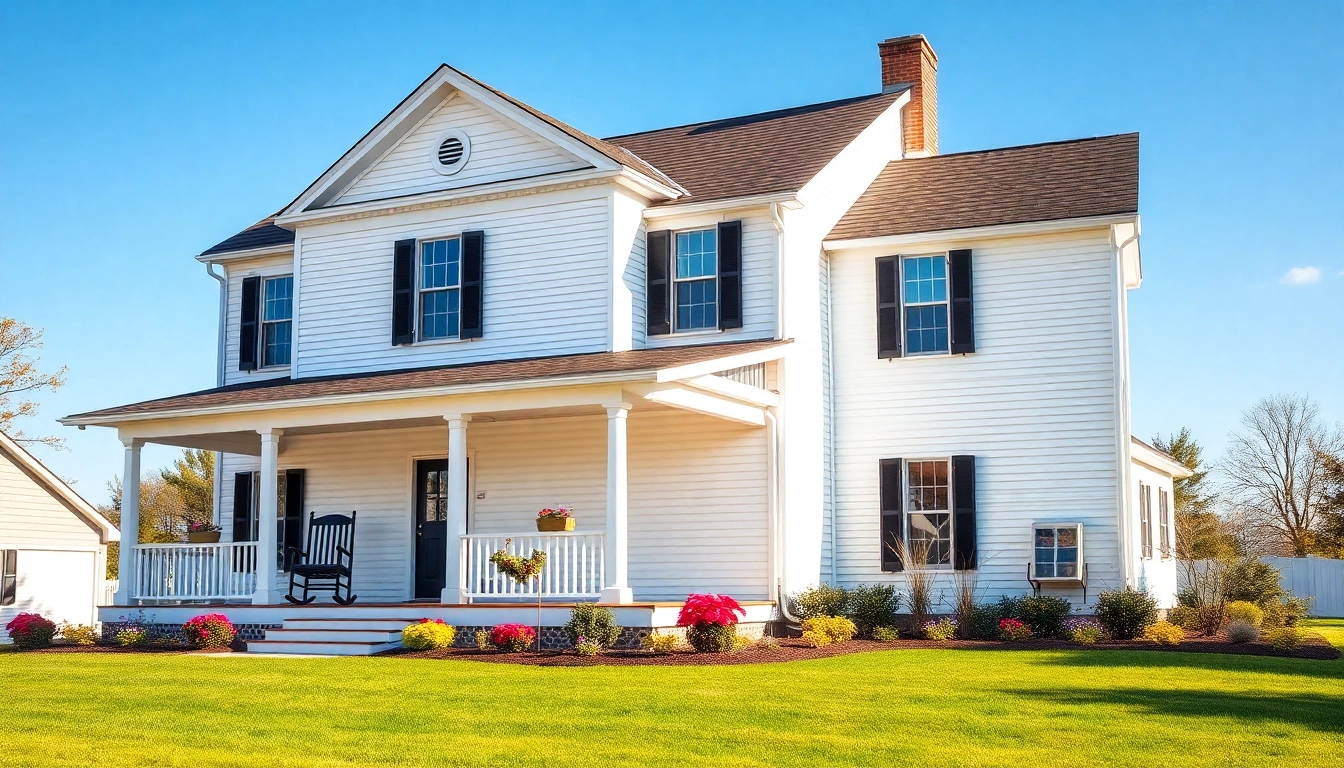
Understanding Colonial Home Construction
Colonial home construction reflects a unique architectural style rooted in history, elegance, and practicality. With its origins dating back to the early American settlements, these homes are characterized by their symmetry, classical details, and use of traditional materials. This article offers a comprehensive understanding of colonial home construction, guiding you through the planning, building techniques, interior design, and long-term maintenance of these timeless structures.
What Makes Colonial Architecture Unique?
Colonial architecture is distinguished by its classic symmetry and proportionate design. Typically, these homes feature a central front door flanked by evenly spaced windows, creating a balanced facade. The style draws from various cultural influences, primarily European, yet adapts these elements to suit American landscapes.
Another hallmark of colonial architecture is its use of gable roofs, dormer windows, and simplistic ornamentation, allowing the focus to remain on the home’s solid structure. While different colonial styles emerged—such as Georgian, Dutch, and Federal—each style carries forward the principles of balance, harmony, and elegance.
Key Features of Colonial Home Construction
- Symmetrical Layout: The common layout features a central hallway with rooms organized around it.
- Brick and Wood Exteriors: Depending on the regional influence, you might see brick, wood, or a blend of the two widely used.
- Double-hung Windows: These windows, often with shutters, are designed for ventilation and aesthetic appeal.
- Classic Details: Moulding, wood paneling, and decorative trim typically define the interior aesthetic.
- Fireplaces: Traditionally, colonial homes were equipped with large, central fireplaces serving as the focal point of the living area.
The Historical Context of Colonial Homes
The origins of colonial homes trace back to the 1600s when European settlers brought their architectural styles to the New World. The need for practicality merged with a desire for aesthetics, resulting in homes that suited the harsh climates while reflecting cultural values. Each colonial style evolved in response to its geographical location and the materials readily available, leading to a rich diversity within the colonial category itself.
As the country expanded, so did the colonial influence, inspiring architectural innovations that reached beyond local styles. The colonial revival period of the late 19th century reignited interest in these homes, leading to their adaptation in modern construction.
Planning Your Colonial Home Construction
Planning is the cornerstone of any construction project, particularly when building a colonial home. Key considerations in this phase include selecting the right location, design elements, and creating a budget that aligns with your vision.
Choosing the Right Location
Location is essential when constructing a colonial home. Ideally, you want a site that not only complements the architectural style but also suits your lifestyle. Factors to consider include access to amenities, the local school system, and noise levels. Additionally, consider the plot’s topography, soil quality, and environmental conditions that may affect construction and long-term habitation.
Design Considerations for Colonial Homes
When designing your colonial home, pay attention to the desired architectural style and its corresponding features. Think about window placements, roof pitches, and interior layouts that resonate with traditional colonial aesthetics. Collaborate with an architect familiar with colonial designs to ensure authenticity and that the unique characteristics of colonial homes are preserved. Additionally, consider the surrounding environment and how your home will fit within the landscape.
Budgeting for Colonial Home Construction
Budgeting is a critical component of any construction project, especially when building a colonial home. The costs can vary significantly based on materials, labor, and design complexities. Begin with a detailed budget that includes land acquisition, architectural fees, permits, construction, and interiors, ensuring you also factor in contingencies for unexpected expenses. Consulting with professionals can help you establish a realistic budget that aligns with your vision while remaining considerate of your financial boundaries.
Building Techniques in Colonial Home Construction
Understanding the building techniques used in colonial construction is essential for achieving authenticity and quality. Traditional methods still have relevancy even in modern adaptations.
Traditional Materials Used
Colonial homes traditionally utilize local materials that not only enhance durability but also provide aesthetic appeal. Wood, brick, and stone are the primary materials, chosen based on regional availability. Wood is often celebrated for its flexibility, allowing intricate details and a warm aesthetic. Brick, on the other hand, offers durability and immediate historical charm, while stone provides a timeless look that can withstand the test of time.
Modern Innovations in Construction
While traditional materials and building techniques are integral to colonial home construction, modern innovative techniques can enhance efficiency and sustainability. Technologies such as structural insulated panels (SIPs) and advanced framing can improve energy efficiency without sacrificing the home’s historical appeal. Integrating smart home technologies ensures modern convenience and security, appealing to contemporary homeowners.
Hiring the Right Contractor
Engaging the right contractor is paramount to the success of your colonial home construction project. Seek professionals with experience in colonial styles to ensure that your vision is effectively realized. Thoroughly vet potential contractors by reviewing their portfolios, checking references, and discussing similar projects they have completed. Clear communication about your expectations and design preferences will foster a productive collaboration.
Interior Design for Colonial Homes
The interior design of a colonial home plays a significant role in maintaining the overall aesthetic and functionality of the space. The goal is to enhance the home’s historical charm while ensuring that it meets modern living requirements.
Enhancing the Colonial Aesthetic
To enhance the colonial aesthetic, focus on utilizing period-appropriate colors, materials, and textures. Earthy tones and muted pastels can evoke history while creating a tranquil atmosphere. Consider incorporating elements such as crown moulding, wainscoting, and classic fireplace mantels that exemplify colonial craftsmanship. Additionally, the choice of light fixtures should reflect traditional designs, providing both illumination and authenticity.
Choosing Period-Appropriate Furnishings
Furnishings are essential in accentuating the colonial home style. Look for pieces crafted from solid woods, upholstered in historical fabrics such as linen and wool. Antique or vintage finds can add character and authenticity to the interiors. Moreover, opt for classic designs such as wingback chairs, traditional dining tables, and sideboards that echo the colonial era’s elegance.
Creating Functional Spaces
While maintaining the colonial aesthetic, ensure that spaces are practical for modern living. This includes designing open-concept areas that allow for ease of movement while also providing privacy where needed. Consider incorporating multifunctional spaces, such as a home office that blends seamlessly into the formal living areas, thereby reflecting both contemporary necessities and historical roots.
Maintenance and Longevity of Colonial Homes
Owning a colonial home requires an understanding of ongoing maintenance and preservation techniques to ensure its longevity. Colonial homes, with their traditional materials and designs, present unique challenges and opportunities for preservation.
Common Challenges in Colonial Home Preservation
Colonial homes may face issues such as settling, structural wear, and weathering of materials. Warped wood, drafty windows, and aging roofs are all common challenges that can impact the home’s integrity and comfort. Awareness of these challenges allows homeowners to take preventative measures early on, ensuring the home remains structurally sound and visually appealing.
Tips for Long-Term Maintenance
Regular maintenance is key to preserving the character and functionality of colonial homes. Schedule periodic inspections of the roof, foundation, and gutters to prevent more significant issues down the line. Additionally, routine painting and sealing of wood elements will protect against the elements, while cleaning gutters can prevent water damage. Establishing a relationship with a good contractor for continued support can be beneficial for long-term upkeep.
Environmentally Friendly Upgrades
Incorporating environmentally friendly upgrades not only enhances the sustainability of your colonial home but can also improve its efficiency and value. Consider upgrades like energy-efficient windows, advanced insulation systems, and solar panels that align with historical aesthetics while reducing environmental impact. These improvements can contribute significantly to lower energy bills and increased comfort levels, all while preserving the character of your colonial home.
FAQs About Colonial Home Construction
What are the defining characteristics of colonial homes?
Colonial homes typically feature symmetrical facades, gable roofs, evenly spaced windows, and traditional building materials like wood and brick.
How can I budget for building a colonial home?
Start by estimating costs for land, materials, labor, and permits, while including a contingency fund for unexpected expenses to ensure the project stays on track.
Are there modern innovations that can be applied to colonial home building?
Yes, modern innovations such as structural insulated panels, smart home technology, and energy-efficient appliances can be integrated without compromising historical authenticity.
What materials are best for colonial interiors?
Look for robust materials such as hardwood for furniture and period-appropriate textiles like linen and wool to maintain the colonial aesthetic.
How can I ensure my colonial home stays preserved?
Regular maintenance, timely repairs, and environmentally friendly upgrades are essential for preserving the structural integrity and beauty of your colonial home.