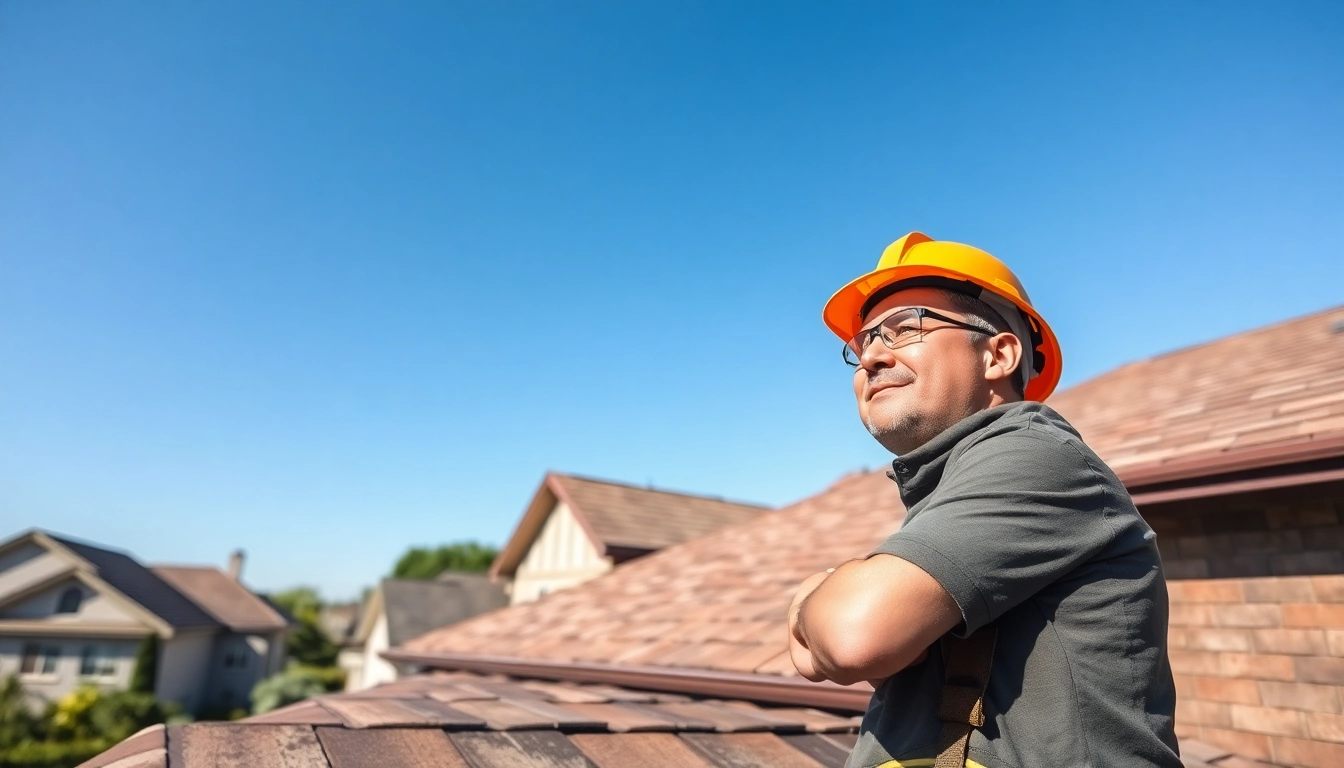
Understanding the Role of a Roofing Contractor
In the realm of home renovation and maintenance, understanding the role of a Roofing contractor is essential for every homeowner. A roofing contractor is responsible for the installation, repair, and maintenance of roofs. This critical role ensures the protection of your home from the elements, providing safety and comfort to your family. The expertise of a roofing contractor is crucial, especially when tackling complex roofing challenges or deciding between different roofing materials.
What Does a Roofing Contractor Do?
Roofing contractors handle a wide range of activities associated with roofs. Their responsibilities include:
- Assessment: Evaluating the condition of roofs to determine necessary repairs or replacements.
- Installation: Installing new roofing systems, including selecting the right materials based on client preferences and weather conditions.
- Maintenance: Providing regular maintenance to extend the lifespan of roofing systems and prevent future issues.
- Repair: Addressing leaks, damages, or other roofing issues promptly to uphold the integrity of the roofing system.
- Guidance: Advising homeowners regarding the best roofing options based on budget, climate, and architectural style.
Importance of Hiring a Qualified Roofing Contractor
The importance of hiring a qualified roofing contractor cannot be overstated. A reputable contractor not only provides quality workmanship but also adheres to local building codes and safety standards. This minimizes the risk of problems that can arise from poor installation or inadequate materials. Additionally, hiring a professional can protect homeowners from the financial burden of unforeseen repairs due to faulty installation.
Common Services Offered by Roofing Contractors
Roofing contractors typically offer a variety of services, including but not limited to:
- Residential Roofing: Installation and repair focused on homes.
- Commercial Roofing: Specialized services for commercial buildings, often requiring different materials and techniques.
- Emergency Repairs: Quick responses to urgent situations such as leaks or storm damage.
- Roof Inspections: Comprehensive assessments to diagnose potential issues.
- Gutter Services: Installation, repair, and cleaning of gutters to ensure proper drainage.
How to Select the Best Roofing Contractor
Finding the right roofing contractor can significantly impact the outcome of your project. Here are some critical steps to ensure you select the best contractor for your roofing needs.
Evaluating Credentials and Experience of Roofing Contractors
When evaluating potential roofing contractors, always check their credentials. This includes verifying their license, insurance, and certifications. Experienced contractors will typically have a portfolio showcasing their previous projects. It’s also beneficial to choose contractors that are part of reputable industry organizations, as this indicates a commitment to ongoing education and adherence to industry standards.
Checking References and Reviews for Roofing Contractors
Before finalizing your choice, check references and online reviews. Ask previous clients about their experiences, focusing on the quality of work, adherence to timelines, and customer service. Websites like Yelp, Google Reviews, and Angie’s List can provide insight into the contractor’s reliability and reputation in the community.
Questions to Ask Roofing Contractors Before Hiring
Asking the right questions during your initial consultation can help you gain clarity on the contractor’s capabilities and processes. Consider asking:
- What is your experience with my type of roof?
- Who will be working on my roof, and what are their qualifications?
- Can you provide a detailed written estimate?
- What is your projected timeline for completion?
- How do you handle unexpected issues or additional costs during the project?
Cost Considerations When Hiring a Roofing Contractor
Understanding the financial aspects of hiring a roofing contractor is crucial for effective budgeting. Roofing projects can vary significantly in cost based on various factors.
Understanding Roofing Contractor Pricing Models
Roofing contractors typically operate under various pricing models such as fixed pricing, time and materials, or cost-plus pricing. Fixed pricing provides a clear idea upfront, while time and materials charge based on the actual time spent and materials used. Understanding these models can help you negotiate better and choose the best option based on your budget.
Factors Affecting the Cost of Roofing Contractor Services
Several factors influence the overall cost of hiring a roofing contractor:
- Roof Size: Larger roofs require more materials and labor, increasing costs.
- Material Type: Different materials (asphalt shingles, metal, tile) have varying costs associated with them.
- Labor Costs: Regional labor costs can significantly affect overall pricing.
- Roof Condition: Existing damages or required repairs can add to the expense.
- Seasonal Demand: Scheduling during peak season might incur higher costs due to demand.
Budgeting for Roof Repairs and Installation with a Roofing Contractor
Proper budgeting is essential to prevent unforeseen circumstances from derailing your project. Start by determining the maximum amount you can spend and consider setting aside an extra 10-20% for unexpected expenses. Research estimated costs related to materials and labor in your area to establish realistic expectations, and create a detailed project plan with timelines.
Common Issues and Solutions with Roofing Contractors
Even when hiring a reputable roofing contractor, challenges can arise during a roofing project. Understanding common issues and their resolutions can empower you as a homeowner.
Dealing with Delays in Roofing Contractor Projects
Delays can occur for various reasons, including bad weather or unforeseen structural issues. It’s crucial to have clear communication with your contractor about timelines and expectations. If delays arise, ask for a revised schedule and understand the reasons behind the delays. Keeping an open line of communication can help alleviate stress.
Resolving Conflicts with Your Roofing Contractor
Conflicts may arise due to misunderstandings or unmet expectations. The best way to address conflicts is through direct and respectful communication. Always document agreements in writing and maintain a record of all conversations. In case of unresolved disputes, you may consider mediation to reach a fair resolution.
Recognizing Quality Work from Your Roofing Contractor
Quality workmanship should be evident during and after the project. Signs of quality work include neatly installed materials, appropriate flashing, and uniform appearance. Ensure that the roofing system is also performing as expected—check for signs of leaks or inadequate insulation. A reliable roofing contractor will typically offer warranties on both materials and labor, providing you peace of mind.
FAQs About Roofing Contractors
What is the average cost for hiring a roofing contractor?
The average cost can vary widely based on materials and location but typically ranges from $3,000 to $10,000.
How long does it take to complete a roofing project with a contractor?
Most roofing projects take between 1 to 3 days, depending on the size and complexity of the roof.
What warranties should I expect from a roofing contractor?
Most reputable contractors offer a warranty on both materials and workmanship, typically ranging from 5-20 years.
Can I communicate with the roofing contractor during the project?
Yes, maintaining communication is essential; you should feel comfortable discussing any concerns with your contractor.
How do I find a reliable roofing contractor?
Seek referrals from friends, check online reviews, and verify licenses and insurance to find a trustworthy contractor.