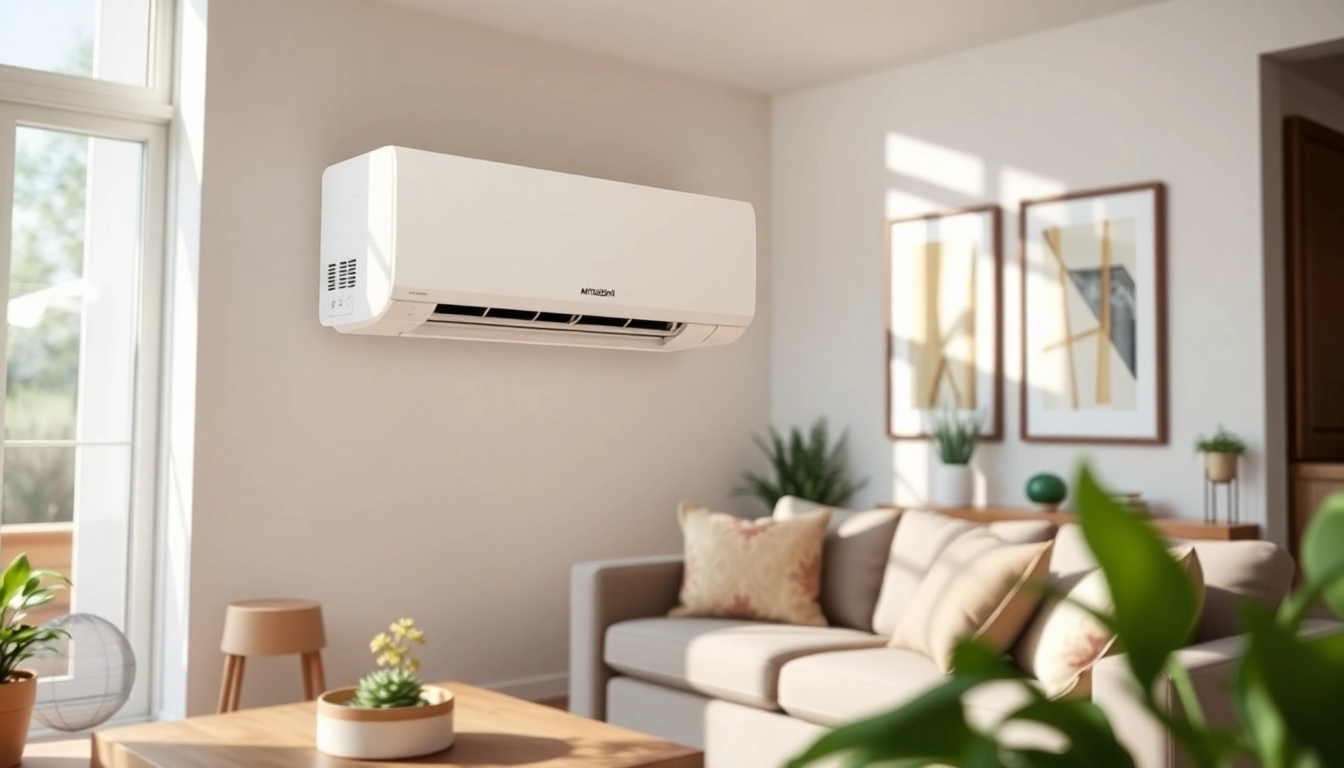
The Basics of Mitsubishi Mini Split AC Systems
Understanding Mini Split Technology
Mini split air conditioning systems have transformed how households manage indoor climates. They consist of an outdoor compressor unit and one or more indoor air handling units that work together to cool individual rooms or spaces. Unlike traditional central air conditioning systems, which require ductwork, mitsubishi mini split ac systems are ductless, providing great flexibility in installation and operation. This technology allows homeowners to heat and cool their homes more efficiently, responding to changing temperature needs without heavy energy consumption.
Key Features of Mitsubishi Mini Split AC
Mitsubishi mini split AC systems boast several key features that set them apart from other cooling solutions. Firstly, their inverter technology allows for variable-speed operation, which means the system can adjust the compressor speed based on the cooling demand. This feature improves energy efficiency and provides more stable temperature control. Additionally, many models come equipped with advanced air filtration systems that purify the air by removing dust and allergens, enhancing indoor air quality.
Another significant aspect is their quiet operation. Indoor units are designed to minimize noise, providing a comfortable environment without the disruptive sounds often associated with traditional HVAC systems. Furthermore, Mitsubishi mini splits have a high SEER (Seasonal Energy Efficiency Ratio) rating, indicating superior energy efficiency, which can lead to lower utility bills over time.
Benefits of Ductless Air Conditioning
One of the primary benefits of ductless air conditioning systems is their flexibility in installation. Since they don’t require ductwork, these systems can be installed in various configurations, including residential spaces without ducting or older homes that lack existing ventilation systems. This adaptability can be a game-changer for homeowners in need of climate control in specific areas of their homes.
Additionally, they enable zoning capabilities. With zoning, individuals can control the temperature in different rooms independently, offering tailored comfort throughout the living space. This feature can lead to significant energy savings, as unoccupied rooms can be set to a higher temperature.
Finally, mini split systems have minimal aesthetic impact on your home since the indoor units are compact and can fit into various design styles without noticeable bulkiness. Overall, the combination of efficiency, control, and aesthetics makes Mitsubishi mini splits a popular choice among homeowners.
Choosing the Right Mitsubishi Mini Split AC for Your Home
Sizing the System: What You Need to Know
Selecting the right size for your Mitsubishi mini split AC is crucial for efficient operation. An undersized unit will struggle to maintain the desired temperature, leading to increased energy consumption and wear on the system. Conversely, an oversized unit will cool the space too quickly without adequately removing humidity, leading to a clammy and uncomfortable environment.
The basic rule of thumb is to determine the cooling capacity required, measured in British Thermal Units (BTUs). Factors affecting sizing include the total square footage of the area, ceiling height, insulation quality, and local climate. Working with a knowledgeable HVAC professional can help ensure that you select the proper size for your specific needs, optimizing your comfort and the system’s efficiency.
Energy Efficiency Ratings Explained
Energy efficiency ratings provide valuable insights into the performance of Mitsubishi mini split AC systems. The SEER rating reflects the cooling efficiency over a typical cooling season. A higher SEER rating translates to enhanced energy efficiency and reduced operating costs. Additionally, the EER (Energy Efficiency Ratio) rating is relevant during peak cooling times, indicating performance during extremely warm conditions.
When comparing models, it’s essential to consider the Energy Star certification, a mark of a system’s efficiency compared to conventional models. Mitsubishi mini split ACs often meet or exceed these ratings, making them an environmentally friendly and cost-effective choice for homeowners committed to sustainability.
Comparing Models: Features and Pricing
Mitsubishi offers various mini split models, each designed to meet different cooling and heating requirements. When comparing models, consider factors such as the number of indoor units, heating capabilities, and additional features like smart technology integration, which allows remote operation via smartphones.
Pricing can vary considerably based on the model and features. While higher-end models with advanced technology may seem like a more significant investment upfront, they often yield long-term savings through improved efficiency and lower energy bills. Evaluating both initial costs and potential savings is essential when choosing the best Mitsubishi mini split AC for your home.
Installation Guide for Mitsubishi Mini Split AC
Preparing for Installation: Tools and Checklist
Installing a Mitsubishi mini split AC requires careful planning and preparation. Before installation, gather the necessary tools, including a drill, level, screwdriver, and adjustable wrench. Also, ensure you have the essential materials, such as refrigerant lines, a mounting bracket, and line sets.
Create a checklist to map out the installation process, including site selection for outdoor and indoor units, access to power sources, and spacing from structures to allow for optimal airflow. Taking the time to prepare can help ensure a smoother installation experience, minimizing potential complications down the line.
Step-by-Step Installation Process
The installation process for a Mitsubishi mini split AC typically involves several key steps:
- Choose locations: Identify optimal locations for both indoor and outdoor units that allow efficient airflow and easy access to power sources.
- Mount the indoor unit: Securely attach the mounting bracket and install the indoor unit, ensuring it is level.
- Install the outdoor unit: Position the unit in a suitable location and secure it to the ground or support structure to prevent movement.
- Connect the refrigerant lines: Install the line sets connecting the indoor and outdoor units, ensuring all connections are tight and leak-free.
- Charge the system: Add the correct amount of refrigerant to the system, ensuring it’s ready for operation. This step usually requires specialized knowledge and tools.
- Test the system: Before finishing, run the system to check for any issues and ensure it operates smoothly.
Each installation may have unique aspects, so always follow the manufacturer’s guidelines to ensure proper setup.
Common Installation Mistakes to Avoid
Identifying and avoiding common installation mistakes can lead to a more effective and longer-lasting installation. One common error is installing the indoor and outdoor units too close together, which can limit airflow and reduce system efficiency. Additionally, improper sealing of refrigerant lines can lead to leaks, compromising performance.
Another mistake is failing to level the indoor unit during installation, leading to operational issues and potential water drainage problems. Ensuring all components are level and correctly positioned can help prevent malfunction down the line. Lastly, it’s crucial to ensure that the system is adequately charged with refrigerant before operating it to avoid damage.
Maintaining Your Mitsubishi Mini Split AC
Regular Maintenance Tips for Longevity
Regular maintenance is essential to ensure the longevity and efficiency of your Mitsubishi mini split AC system. Start by cleaning or replacing the air filters every month, particularly during peak usage periods to maintain optimal airflow and air quality. Dust and debris can hinder performance, leading to unnecessary wear and energy waste.
Additionally, periodically inspect the outdoor unit for obstructions, such as leaves or debris, that could impede airflow. Consider scheduling a professional inspection once a year to check the system’s refrigerant levels, electrical connections, and overall performance. Preventive maintenance can go a long way in extending the lifespan of your mini split AC and ensuring it operates at peak efficiency.
When to Call a Professional
While homeowners can manage basic maintenance and troubleshooting, knowing when to call in a professional is vital. If you notice unusual noises, inconsistent temperatures, or a significant increase in energy bills, these can be signs of underlying issues that require expert assessment.
Additionally, if the system fails to turn on or you detect refrigerant leaks, it’s essential to contact a qualified HVAC professional. Attempting to resolve complex issues without proper knowledge and tools can exacerbate problems or void warranties. Professional technicians can carry out thorough diagnostics and make necessary repairs to restore system performance.
Seasonal Preparation for Optimal Performance
Preparing your Mitsubishi mini split AC for changing seasons can enhance its performance and efficiency. In the spring, clean the outdoor unit thoroughly to remove debris and ensure unobstructed airflow. Inspect the indoor units for dust and allergens, replacing filters as needed.
Conversely, in autumn, before winter sets in, protect the outdoor unit from harsh weather conditions. Consider using a cover to safeguard it against snow and ice buildup. It’s also a good time to check the heating function of your mini split system to ensure it operates efficiently during colder months. Taking these preparatory steps can lead to a smoother transition between seasons and prevent operational issues.
FAQs About Mitsubishi Mini Split AC Systems
What is a Mitsubishi Mini Split AC?
A Mitsubishi mini split AC is a ductless cooling and heating system featuring an outdoor compressor and one or more indoor air handling units designed for efficient and flexible temperature control in specific rooms.
How much does installation cost?
Installation costs for a Mitsubishi mini split AC can vary widely, typically ranging between $1,500 to $3,000, depending on system size, complexity, and any additional required modifications.
Can I install it myself?
While some components can be installed by a knowledgeable DIYer, proper installation requires specialized tools and understanding of refrigerant handling, so scheduling a professional installation is generally recommended.
What is the expected lifespan?
A Mitsubishi mini split AC system can last between 15 to 20 years with regular maintenance, proper installation, and care, maximizing both efficiency and output throughout its lifespan.
How energy-efficient is a Mitsubishi Mini Split AC?
Mitsubishi mini split ACs typically feature high SEER ratings, often above 20, allowing for exceptional energy efficiency compared to traditional systems, leading to lower energy bills and environmental impact.