The History Behind the 1942 Vintage
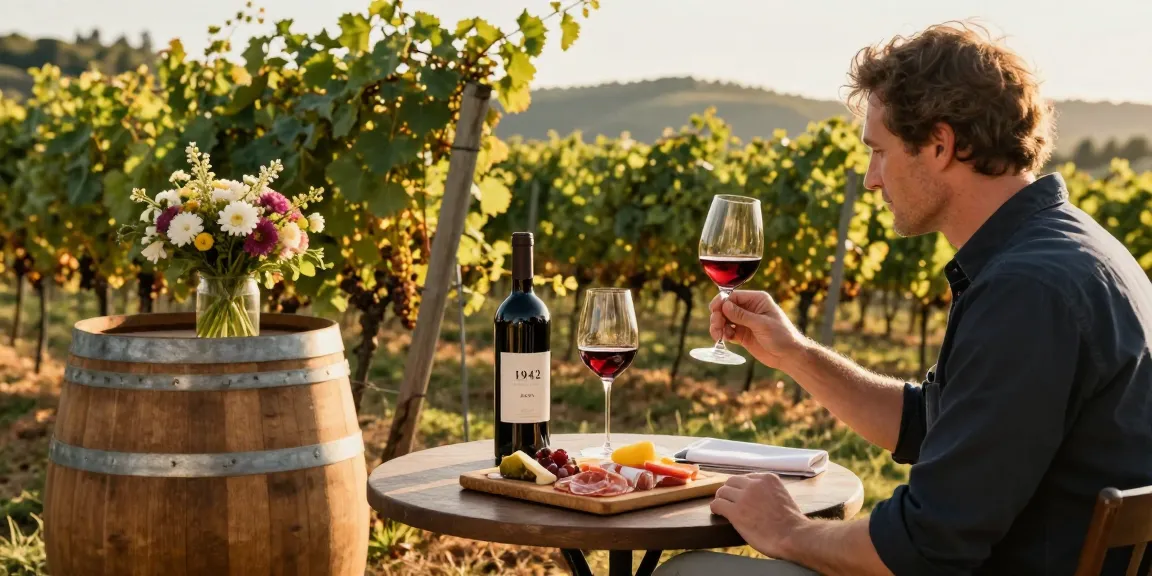
The year 1942 remains etched in the annals of wine history as a remarkable vintage that encapsulated the resilience and creativity of winemakers during a tumultuous time. With the backdrop of World War II, the challenges faced by vineyards were immense, but it was also a time of innovation in winemaking techniques. The exceptional attributes of the 1942 vintage continue to captivate collectors and connoisseurs alike, cementing its place in the pantheon of great wines. Exploring this vintage offers a glimpse into a unique fusion of cultural influences and geographical characteristics that set it apart from other years. For those keen to delve deeper into the nuances of the 1942 vintage, 1942 wines provide a comprehensive insight.
What Makes 1942 Special in Wine Culture?
1942 wines are often celebrated for their distinct characteristics borne out of adversity. The historical context of this vintage, marked by war and scarcity, led to innovative harvesting and fermentation techniques. Winemakers adopted more organic methods, relying on traditional methods that had long been neglected in favour of more commercial approaches. The result was a bolder and more flavourful wine that reflected the earthiness of the soils and the skill of the makers.
A Timeline of Winemaking Techniques in 1942
The winemaking techniques in 1942 underwent significant transformation, influenced by both necessity and creativity. Early in the year, the industry had to adapt to reduced labour availability and limited resources. This led to:
- Hand Harvesting: With machinery in short supply, many vineyards returned to traditional hand harvesting methods, which ensured better selection of grapes.
- Natural Fermentation: Winemakers often relied on wild yeasts instead of cultivated strains, contributing to unique flavour profiles.
- Minimal Interventions: The scarcity of materials and additives meant that many wines were produced with minimal intervention, allowing the terroir to shine through.
Influential Regions for the 1942 Vintage
Several wine regions gained prominence in 1942 due to their ability to cultivate grapes that thrived under the challenging conditions. Notably:
- Bordeaux: Known for its robust red wines, Bordeaux saw a remarkable production of Merlot and Cabernet Sauvignon.
- California: The Napa Valley emerged as a budding region for fine wines, putting a spotlight on Zinfandel and Cabernet Sauvignon.
- Tuscany: Italy’s Tuscany region produced Chiantis that stood out for their depth and complexity, a testament to traditional vinification practices that prevailed in the region.
Understanding the Tasting Notes of 1942
Grasping the tasting notes of 1942 wines is essential for appreciating their exceptional quality. These wines often exhibit a rich tapestry of flavours that tell the story of their origins.
Common Flavours and Aromas Found in 1942 Wines
Typically, 1942 wines present a palette of rich flavours. Common tasting notes include:
- Dark Fruits: Flavours like blackberry, plum, and cherry predominately characterise red wines.
- Spices: With hints of black pepper, clove, and cinnamon, they offer a warm complexity.
- Earthiness: These wines often possess a mineral quality that evokes the terroir and reflects the soil conditions of the vineyards.
The Impact of Terroir on the Tasting Profile
The concept of terroir is integral to understanding the flavour profile of 1942 wines. The geographical features, climate, and soil composition directly influence the characteristics of the grapes. Regions like Bordeaux showcased rich clay soils that enhanced the structure of the wines, whereas the loamy soils of Tuscany contributed to a vibrant acidity and aromatic profiles.
How to Identify Quality 1942 Wines
Identifying high-quality 1942 wines involves a careful examination of several factors:
- Provenance: Understanding the vineyard's history and reputation is critical.
- Label and Vintage: Authentic labels should indicate proper provenance and vintage conditions.
- Tasting Notes: Quality wines often have well-defined notes and can be evaluated through professional guides or expert reviews.
Pairing 1942 Wines with Food
Pairing food with 1942 wines enhances the overall experience, allowing the flavours to complement and elevate one another.
Classic Pairings for 1942 Wine
Classic pairings for 1942 wines can be delightful experiences. Some traditional options include:
- Beef Wellington: The rich, savory flavours of beef pair splendidly with robust red wines.
- Roasted Lamb: The gaminess of lamb harmonizes beautifully with the earthiness of 1942 reds.
- Aged Cheeses: Hard cheeses like Parmigiano-Reggiano or aged Gouda can enhance the complexity of the wines.
Innovative Dishes that Complement 1942 Wines
With the rising trend of fusion cuisine, innovative dishes that pair with 1942 wines are gaining traction:
- Spiced Duck Breast: The flavours of duck pair well with the fruity and spicy notes of certain reds.
- Quinoa Salad with Roasted Vegetables: This vegetarian option allows the wine's acidity and texture to shine through.
- Grilled Octopus: A seafood dish that can be surprisingly effective with lighter reds.
Hosting a Perfect 1942 Wine Dinner
To host a successful wine dinner featuring 1942 wines, consider the following tips:
- Curate a Well-Balanced Menu: Choose dishes that complement the diverse characteristics of the wines.
- Wine Tasting Order: Start with lighter wines and progress to fuller-bodied selections for a better tasting experience.
- Set the Atmosphere: A warm, inviting setting enhances the overall enjoyment of the dining experience.
The Investment Potential of 1942 Wines
As the wine market evolves, the investment potential of 1942 wines has garnered attention among collectors and investors alike.
Market Trends for Vintage Wines in 2026
By 2026, the market for vintage wines is expected to witness considerable changes:
- Increased Demand: A growing interest in vintage wines, particularly from emerging markets, is anticipated.
- Technological Advancements: Innovations in tracking provenance and authenticity will enhance buyer confidence.
- Premium Pricing: Rarity and quality are likely to drive up prices for sought-after vintages like 1942.
How to Evaluate 1942 Wine as an Investment
Evaluating 1942 wine for investment should involve a multi-faceted approach, focusing on:
- Condition and Storage: Proper storage conditions significantly affect a wine's value.
- Market Research: Understanding auction results and demand can guide purchasing decisions.
- Expert Appraisals: Consulting with wine experts or appraisers can provide valuable insights into potential investments.
Case Studies of Successful Wine Investments
Several investors have successfully navigated the vintage wine market:
- The Bordeaux Boom: Investors who purchased Bordeaux from the 1942 vintage saw substantial returns as demand surged.
- Italian Collectors: Enthusiasts of Italian wines have profited from the timeless Chiantis produced in 1942, reflecting their enduring appeal.
- California Investments: Wines from Napa Valley, particularly the 1942 Zinfandels, have transformed into prized assets.
Future Trends in 1942 Wine Appreciation
The appreciation of 1942 wines is subject to evolving trends that reflect changing consumer preferences and market dynamics.
Evolving Palates: What to Expect in 2026?
As wine consumers become more adventurous, the palates of 2026 are likely to be characterised by:
- Experimentation: Drinkers are expected to explore lesser-known varietals from the 1942 vintage.
- Focus on Sustainability: As eco-consciousness grows, wines produced with sustainable practices may see increased favour.
- Tech Integration: Consumers may turn to apps and platforms that provide deeper connections regarding wine history and appreciation.
The Role of Technology in Wine Tasting Experiences
Advancements in technology are set to enhance wine tasting experiences significantly. Innovations may include:
- Augmented Reality: Apps that allow users to scan wine labels for immediate tasting notes and history.
- Blockchain for Provenance: Ensuring authenticity through blockchain technology will facilitate confidence in wine purchases.
- Virtual Tastings: The rise of virtual tastings offers unique experiences that connect enthusiasts worldwide.
Emerging Markets for Vintage Wine Sales
Emerging markets are becoming increasingly relevant in the vintage wine sector. Some notable trends include:
- Asia-Pacific Region: Countries like China are rapidly increasing their consumption of high-end wines.
- Middle Eastern Interest: Wealthy individuals in the Middle East are turning towards vintage collections for both consumption and investment.
- Online Wine Auctions: The surge in online platforms is facilitating greater access to vintage wines for a broader audience.
Is 1942 Wine Still Relevant?
Despite the passage of time, 1942 wines remain relevant and celebrated. The historical importance, coupled with the unique characteristics obtained from a challenging year, ensures that these wines continue to capture the interest of collectors and wine lovers alike.
How Can I Start Collecting Vintage Wines?
Beginning a vintage wine collection is an exciting venture. Steps to consider include:
- Education: Invest time in learning about wine regions, vintages, and storage conditions.
- Networking: Connect with local wine clubs or online communities to gain insights and share experiences.
- Start Small: Begin with a few select bottles and gradually expand as your knowledge grows.
What Are the Key Characteristics of 1942 Wines?
Key characteristics that define 1942 wines include:
- Complex Flavour Profiles: Many 1942 wines exhibit extraordinary depth and layered flavours.
- Robustness: The resilience of vintners during this year resulted in wines that are frequently bold and expressive.
- Long Cellaring Potential: Quality 1942 wines are known for their ageing potential, continuing to evolve and improve over time.
How to Host a Tasting Event Featuring 1942 Wines?
Hosting a tasting event with 1942 wines can be a memorable experience. Key points to consider include:
- Themed Selection: Choose a theme that highlights the diversity of wines from 1942.
- Guided Tasting: Offer insights into each wine’s history and tasting notes during the event.
- Food Pairing: Serve dishes that enhance the wines, making the event more enjoyable.
Where Can I Find Authentic 1942 Wines?
Finding authentic 1942 wines requires diligence. Trusted sources include:
- Auction Houses: Reputable auction houses often sell verified vintage wines.
- Specialty Wine Shops: Select retailers that focus on high-quality and rare wines can be invaluable resources.
- Online Marketplaces: Platforms dedicated to fine wine can facilitate access to reputable sellers.